Summary of the MoU
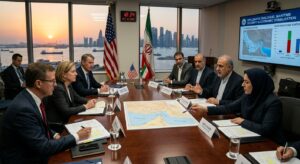
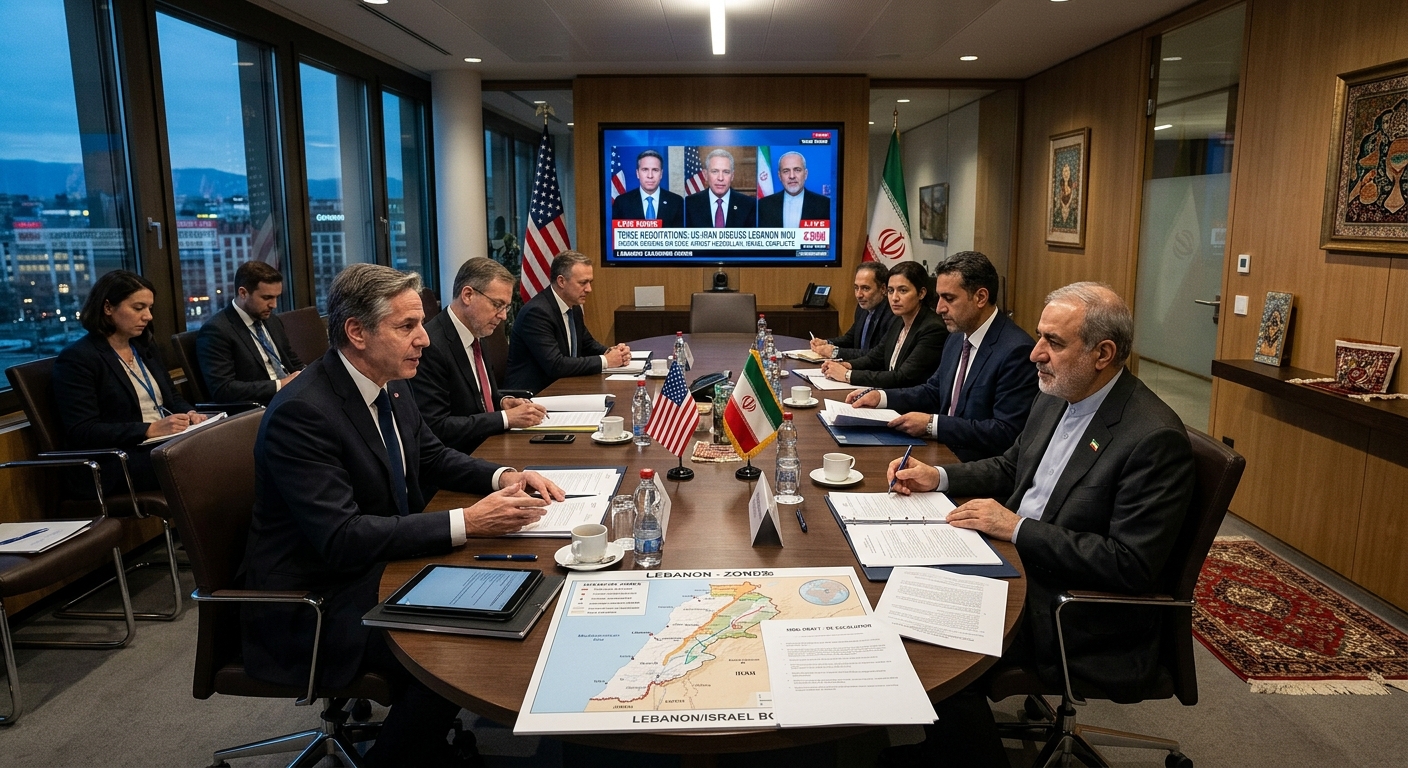
The U.S. and Iran have signed a critical memorandum of understanding (MoU) focusing on ending military hostilities, particularly in Lebanon, a key area in ongoing Middle Eastern conflicts. This agreement aims for a permanent cessation of military operations and emphasizes Lebanon’s sovereignty amidst ongoing regional tensions, such as those following the Hamas-led attack on Israel in October 2023. Despite the MoU’s hopeful outlook, the challenges of enforcement and internal divisions in Lebanon, especially regarding Hezbollah, raise questions about the durability of this ceasefire and the broader implications for peace negotiations.
Lebanon’s Political Landscape
The conflict within Lebanon is closely tied to regional rivalries involving Iran and Israel and is marked by internal political fragmentation. Hezbollah’s military strength plays a pivotal role, often acting as an Iranian proxy. The governance challenges in Lebanon, compounded by foreign interventions, make achieving a stable peace difficult. Recent escalations have underscored Lebanon’s precarious position, complicating negotiations and enforcement of the MoU due to competing interests from foreign actors concerning military control in the region.
Key Diplomatic Developments
Diplomatic engagements between the U.S. and Iran have been shaped by intricate regional dynamics and past conflicts. The MoU commits both nations to an immediate halt of military actions and establishes a framework for broad peace discussions. However, specifics remain undisclosed, posing a challenge for effective implementation. Iran’s requirement for cessation of hostilities in Lebanon illustrates its strategic importance within U.S.-Iran negotiations, especially in relation to Hezbollah’s autonomous military actions, complicating the potential for compliance.
Terms of the Agreement
The MoU outlines significant commitments, including the cessation of military operations, particularly in Lebanon, aimed at fostering a secure environment. It requires both sides to respect Lebanon’s sovereignty and institutes a sixty-day window for finalizing a comprehensive agreement with oversight mechanisms. The U.S. is tasked with withdrawing forces from proximity to Iran, while Iran must adhere to commitments concerning its nuclear program and refrain from supporting proxy groups, particularly in Lebanon. These terms address Lebanon’s fragile sovereignty but highlight the ongoing risks associated with enforcement.
Responses from Lebanon
Lebanon’s internal reaction to the MoU has been mixed, reflecting deep political divisions. Hezbollah rejects disarmament pushed by the government, which is seen as a response to Israeli aggression. The Lebanese state’s efforts to manage Hezbollah’s military capabilities are complicated by its own vulnerabilities and the political support Hezbollah receives from Iran. This dynamic fosters ongoing conflict rather than resolution, emphasizing the difficulty of navigating foreign interventions within Lebanon’s fragmented political landscape.
International Reactions
Responses from regional actors, especially Israel and Gulf states, signal wariness about the MoU’s long-term viability. Many view it as a temporary measure rather than a comprehensive solution, dependent on rigorous compliance and verification. The geopolitical context, including Iran’s historical opposition to U.S. influence and escalating tensions post-October 2023, shapes these views. Furthermore, Israeli military strategies underscore conflicting interests that may undermine the MoU and hinder diplomatic progress.
Strategic Implications
The MoU emerges from complex strategic motivations aimed at establishing stability in the Middle East. U.S. objectives include curtailing Iran’s nuclear ambitions and support for proxy groups, while Iran seeks to break its diplomatic isolation and protect its interests in Lebanon. The agreement’s ambiguity highlights unresolved challenges in U.S.-Iran relations, where regional dynamics play a critical role. Ongoing hostilities illustrate the fragile balance that the MoU seeks to manage and the broader implications for stability in Lebanon and beyond.
Implementation Challenges
The initial phase of the MoU’s implementation faces significant hurdles as hostilities continue in Lebanon, complicating diplomatic engagements. While the ceasefire has mostly been observed, sporadic attacks highlight lingering mistrust between the parties involved. The complexities of U.S.-Iran negotiations persist, with unresolved elements that could disrupt any future agreements. Iran’s strategy to stretch negotiations amidst ongoing conflicts points to the delicate nature of achieving enduring peace in a historically turbulent region.
Overall Analysis
The MoU between the U.S. and Iran represents a pivotal moment in Middle Eastern diplomacy, particularly regarding Lebanon. Although it establishes a framework for reducing hostilities, the effectiveness of the agreement hinges on complex internal and external factors, including the handling of Hezbollah and ongoing geopolitical tensions. Critics highlight that while the MoU stands as an important step, it does not address the deep-rooted structural issues within Lebanon or the broader regional rivalries that continue to complicate the peace process.
The content is provided by Avery Redwood, 9 Minute Read