
Summary
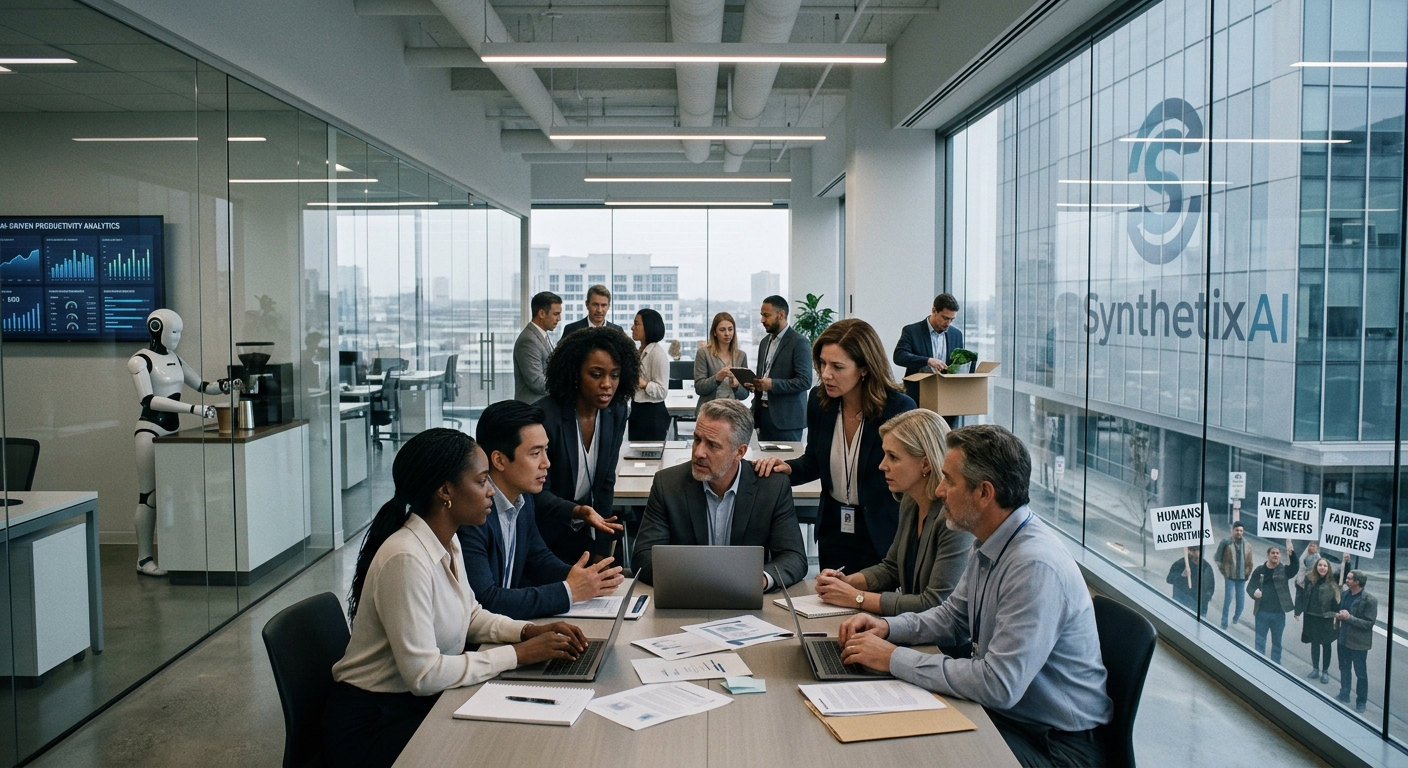
In 2026, tech layoffs are significantly influenced by artificial intelligence (AI) and automation, disrupting traditional workforce structures as companies prioritize AI efficiencies over human roles. Over 150,000 employees have been affected across major firms like Meta, Amazon, Microsoft, and Alphabet, which are simultaneously investing in AI technology. The shift towards leaner, AI-augmented teams has raised concerns about employee unrest and the ethical implications surrounding these layoffs, highlighting a critical moment in labor market dynamics.
Transformations in Layoff Trends
The technology sector in 2026 is marking a notable shift with layoffs driven primarily by AI integration. Unlike earlier layoffs that were responses to overhiring, 2026’s workforce reductions reflect a strategic move to replace human roles with AI systems, impacting over 150,000 workers. Companies are not only downsizing but also investing heavily in AI infrastructure, including specialized hardware that enhances software capabilities while simultaneously cutting traditional human roles such as customer support and software development.
Impact of AI on Layoffs
In 2026, approximately 267 layoffs in the tech sector have impacted around 185,894 workers, with AI cited in about 56% of events. Major firms such as Amazon and Microsoft have made extensive cuts while ramping up AI investments, leading to positions like customer support becoming largely automated. Meanwhile, companies like General Motors are also restructuring their workforce to emphasize AI capabilities, illustrating a widespread industry transformation towards AI-driven methods.
Geographical and Sectoral Layoff Patterns
The layoffs during 2025 and 2026 have shown significant geographical concentration, particularly within major tech hubs like Seattle and San Francisco. Notably, regions such as these have seen thousands of layoffs tied to AI adoption, which has also affected industries outside of tech, such as supply chain management and manufacturing. Despite the layoffs, the dynamic nature of the workforce has also resulted in hiring in areas dedicated to AI development and maintenance, indicating a shift rather than a total loss of job opportunities.
Complexities Behind Layoff Decisions
While companies attribute layoffs to AI advancements, analysts warn of “AI-washing” where the technology is used as a scapegoat for underlying business challenges. Many firms claiming AI as a reason for cuts may also face pressures such as overhiring or revenue decline. Even within organizations that are expanding AI capabilities, questions arise about the true extent of AI’s role in laying off employees, complicating the narrative of automated replacements.
Changing Workforce Dynamics
The integration of AI has not led to uniform job elimination; rather, it has shifted job functions and requirements. Many roles are evolving to complement AI tools instead of being replaced entirely, fostering demand in areas such as machine learning and skilled trades. However, roles in customer support and mid-level management have felt the brunt of these changes, prompting workers to consider upskilling to adapt to the new landscape.
Industry Responses to AI-Driven Changes
The reaction to AI-related layoffs has ranged from solidarity among employees to mobilization by labor unions advocating for better protections against involuntary terminations. Companies are framing AI adoption as essential for survival and quality improvement, though the rapid pace of change raises legal and ethical concerns. As various sectors grapple with these transitions, it becomes increasingly vital for society to address the implications of AI on job security and worker rights.
Future Projections
The ongoing restructuring within technology companies is expected to accelerate through 2026 and beyond, driven by the integration of AI into workflows. There is growing anticipation of continuing layoffs associated with AI technologies, yet the narrative is complicated by the potential financial motivations behind these decisions. While AI fosters innovation and profit, it also raises critical questions about workforce stability and the broader implications for displaced workers.
The content is provided by Sierra Knightley, 9 Minute Read