Summary
The United States and Iran have continued to engage in technical negotiations aimed at implementing a memorandum of understanding (MOU) designed to de-escalate tensions and manage conflict in the Persian Gulf, despite ongoing military confrontations and political challenges. These talks focus on establishing compliance mechanisms, monitoring frameworks, and operational procedures related to a 60-day ceasefire agreement reached in June 2026, which includes provisions to reopen the strategically vital Strait of Hormuz for commercial shipping. The negotiations represent a critical effort to transition from political commitments to practical steps for conflict management amid a historically fraught bilateral relationship marked by decades of hostility and intermittent violence.
The continuation of these technical talks comes in the wake of U.S. President Donald Trump’s public declaration that the ceasefire was “over” following renewed Iranian attacks on shipping in the Strait of Hormuz. Despite this announcement, the U.S. government has maintained its commitment to diplomatic engagement, emphasizing that the talks serve as the primary avenue for peaceful resolution while military exchanges persist on both sides. This contradiction between political rhetoric and diplomatic practice underscores the fragile and complex nature of the current U.S.-Iran relationship, which is further complicated by longstanding mutual distrust, ongoing sanctions, and regional security concerns.
Key issues under discussion include Iran’s nuclear program and associated verification protocols overseen by the International Atomic Energy Agency (IAEA), the lifting of economic sanctions, maritime security arrangements, and broader regional de-escalation efforts, particularly in Lebanon. The talks also face challenges from internal political pressures within both countries and external actors, as well as from the persistent risk of military escalation that threatens to undermine diplomatic progress. The outcome of these negotiations could significantly impact regional stability, global energy markets, and non-proliferation efforts.
Media coverage and public opinion reflect a divided and cautious perspective on the peace process. While some view the technical talks as a hopeful step toward lasting conflict resolution, others remain skeptical due to continued hostilities and mixed messages from political leaders. Iran’s domestic economic difficulties and public sentiment add further complexity to the negotiations, as do differing international reactions, with European diplomats urging sustained diplomatic efforts amid concerns about escalating tensions. Overall, the ongoing technical dialogue between the United States and Iran remains a pivotal but uncertain component of a broader geopolitical struggle with far-reaching implications.
Background
Tensions between the United States and Iran have been marked by decades of hostility following the 1979 Iranian Revolution, which led to the severance of formal diplomatic relations between the two countries. Since then, Pakistan and Switzerland have served as protecting powers for Iran and the U.S., respectively. The antagonism has been fueled by ideological differences, resistance to American hegemony, and U.S. support for Israel, as well as accusations that the Iranian government uses external threats to justify internal repression.
In recent years, the relationship has been further complicated by military confrontations and economic sanctions. In February 2026, the Trump administration imposed tariffs on nations trading with Iran to limit its international commercial transactions, even as diplomatic talks continued. Military escalations included U.S. strikes on approximately 90 Iranian military targets along Iran’s coastline, hitting air defense systems, missile storage sites, and naval infrastructure. These actions were met with retaliatory attacks by Iran on U.S. military assets in Kuwait and Bahrain.
Despite these hostilities, intermittent diplomatic efforts have persisted. The United States and Iran engaged in technical negotiations concerning nuclear issues, aiming to manage compliance and monitoring frameworks. Earlier attempts to resolve the nuclear dispute culminated in the 2015 Joint Comprehensive Plan of Action (JCPOA), which sought to limit Iran’s nuclear program in exchange for sanctions relief. However, the agreement’s effectiveness has been undermined by subsequent developments.
Diplomatic mediation efforts by countries such as Qatar, Oman, Pakistan, and Switzerland have focused on establishing ceasefires and frameworks for renewed negotiations. In April 2026, a Pakistan-brokered ceasefire was announced but soon faced strains due to renewed strikes and public disagreements on terms. A 60-day ceasefire extension was later agreed upon in June 2026, enabling further talks on contentious issues including uranium enrichment, reopening the Strait of Hormuz for commercial shipping, sanctions relief, and the potential release of frozen Iranian assets.
The ongoing negotiations have been conducted amid significant challenges, including daily electricity shortages in Iran and persistent distrust between the parties. While both sides have expressed a willingness to pursue diplomatic solutions, obstacles such as the location and status of Iran’s highly enriched uranium stockpiles remain unresolved. The overall diplomatic process reflects a complex interplay between military pressure, economic sanctions, and efforts to achieve a sustainable agreement on Iran’s nuclear program and regional behavior.
Ongoing Technical Talks
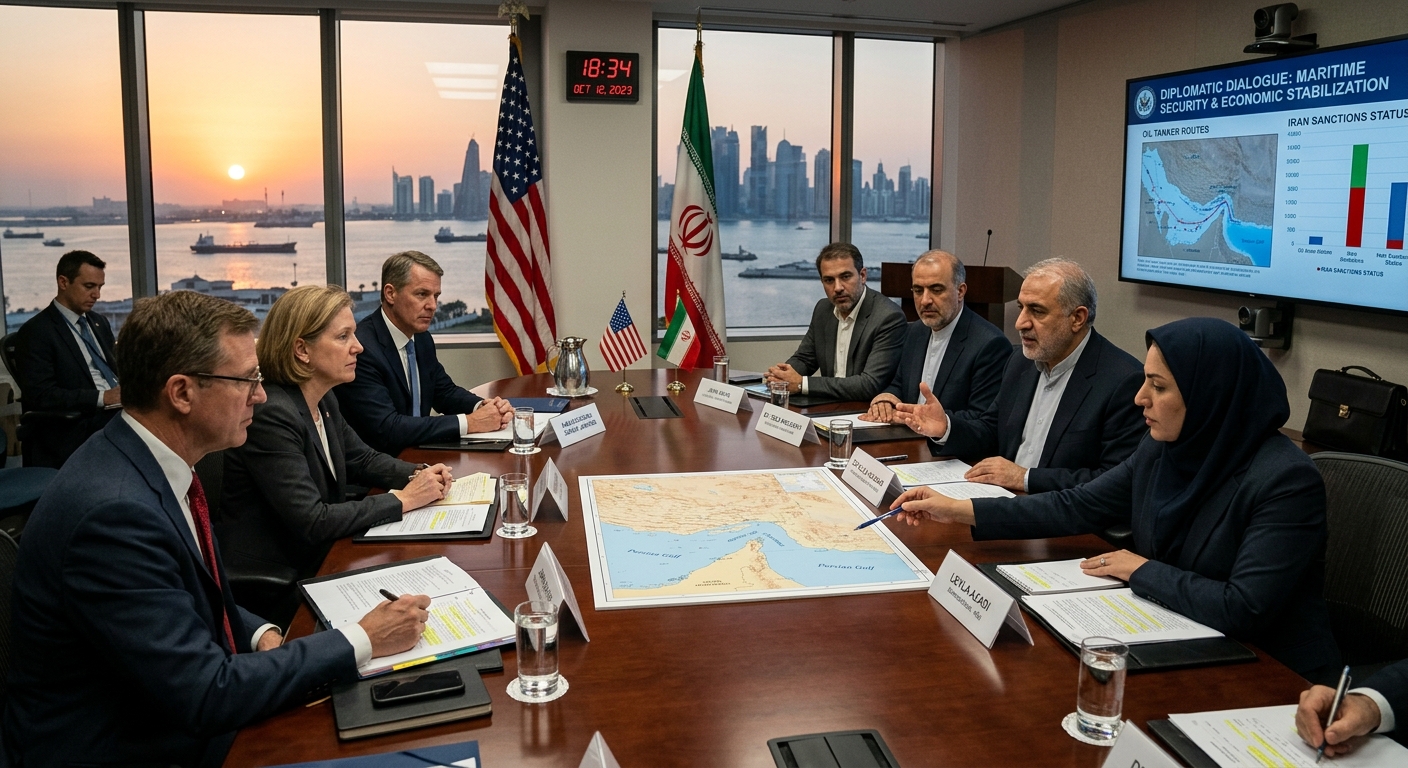
Technical talks between the United States and Iran have continued despite recent military strikes and rising tensions along Iran’s coastline. These discussions are primarily focused on implementing a recently concluded memorandum of understanding (MOU) between the two countries, moving from political commitments to practical execution. The talks involve technical experts working on compliance, monitoring frameworks, and the development of mechanisms to ensure the effective fulfillment of the agreement’s provisions.
The negotiations aim to establish specialized technical working groups responsible for overseeing various aspects of the implementation process. These include groups dedicated to sanctions termination, nuclear affairs, Iran’s reconstruction and economic development, and monitoring and implementation of the agreed terms. The discussions also address frameworks for coordination among the involved agencies and institutions on both sides, as well as practical procedures for carrying out the MOU’s commitments.
The talks build upon earlier rounds held in Switzerland, with the next meetings scheduled to occur following significant events in Iran, such as the funeral processions of the former supreme leader. Both parties have agreed to continue discussions, recognizing that further deliberations are necessary to resolve outstanding issues and refine operational details related to the agreement. According to U.S. officials and mediators in Qatar, progress has been positive, and ongoing indirect negotiations continue with the aim of advancing the MOU’s implementation.
Key topics under discussion include Iran’s role in managing the strategically critical Strait of Hormuz, maritime security, de-escalation efforts in Lebanon, and mechanisms to verify compliance with nuclear commitments. While Iran insists on maintaining control over the Strait of Hormuz in accordance with international law, the United States seeks to clarify Iran’s actual role in the waterway to prevent future conflicts. Verification efforts rely heavily on cooperation with international bodies such as the International Atomic Energy Agency (IAEA) and technical teams from both countries, emphasizing the importance of access and transparency in inspections.
The MOU also sets a 60-day ceasefire period, during which the parties expect to address unresolved issues including uranium enrichment levels, sanctions relief, the release of frozen Iranian assets, and reopening the Strait of Hormuz to commercial shipping. Despite ongoing military tensions, such as U.S. strikes targeting Iranian military infrastructure, both sides appear committed to the technical dialogue as a means to manage and possibly reduce hostilities.
Trump’s Claim That Ceasefire Is Over
On June 11, 2026, the United States and Iran reached a 60-day ceasefire agreement intended to halt hostilities, reopen the Strait of Hormuz, and provide a timeframe for negotiating a final resolution to their ongoing conflict. However, on a later date, US President Donald Trump publicly declared that the ceasefire was over, citing renewed fighting triggered by Iranian attacks on ships in the Strait of Hormuz. Despite this announcement, Trump left open the possibility of continued peace talks.
The announcement was met with concern and confusion among international actors, including European officials who emphasized the importance of diplomacy for a sustainable solution and urged all parties to respect the ceasefire and implement relevant UN resolutions. The European Union’s top diplomat expressed frustration over mixed signals, highlighting a growing transatlantic divide as European countries refused to participate in renewed military engagements initiated by the US.
In the days following Trump’s declaration, both the US and Iran conducted military strikes against each other. Iran targeted US bases as well as neighboring countries such as Jordan and Qatar, while the US carried out defensive strikes targeting missile launch sites in southern Iran. These exchanges further complicated the peace process, which had been paused amid Iran’s internal turmoil following the death of Supreme Leader Ali Khamenei in US-Israeli strikes earlier in the conflict.
Despite the heightened tensions and military actions, both Washington and Tehran expressed commitment to continuing diplomatic engagement. Iran’s foreign minister Abbas Araghchi described a “historic” agreement to avert further conflict as being within reach, emphasizing the need for diplomacy to avoid escalation. Technical talks aimed at operationalizing the ceasefire framework and refining compliance mechanisms continued even as political rhetoric hardened.
Trump’s stance underscored the fragile nature of the ceasefire and exposed deep mistrust between the parties. Iranian officials cited US sanctions, military operations, and contradictory statements as obstacles to progress, while the US sought stringent verification measures to ensure Iran’s compliance with any agreement, drawing lessons from previous accords like the 2015 Joint Comprehensive Plan of Action (JCPOA). The ongoing situation reflects a complex interplay of military actions, diplomatic efforts, and geopolitical tensions that continue to influence the prospects for lasting peace between the two nations.
US Position on Continuing Talks
Despite President Donald Trump’s declaration during the NATO summit that the ceasefire with Iran was “over,” the United States has maintained its commitment to ongoing diplomatic engagement through technical talks with Iran. U.S. officials have emphasized the importance of continuing these discussions as a means to find a peaceful resolution to the conflict, signaling a distinction between political rhetoric and diplomatic practice.
The technical talks focus on practical implementation measures related to a memorandum of understanding signed earlier in the year. These discussions involve establishing compliance frameworks, monitoring mechanisms, and operational procedures essential for carrying out the terms of the agreement. While detailed content of the agreement remains confidential, both sides acknowledge the importance of these technical dialogues to ensure effective execution of their commitments.
The U.S. approach has been to prioritize diplomatic channels despite heightened tensions, including recent military actions such as strikes on missile sites in southern Iran, which occurred during the ongoing ceasefire and negotiations. American officials have reiterated that diplomacy remains the only sustainable path forward and continue to engage with Gulf states mediating behind the scenes to ease tensions and facilitate talks.
However, the U.S. position is complicated by conflicting pressures, including skepticism from certain political figures and allegations that intermediaries may be influenced by external interests aiming to escalate confrontation. Moreover, the administration’s policy continues to target Iran’s commercial partners through sanctions designed to restrict international transactions, which reflects broader antagonisms and strategic considerations beyond the immediate negotiations.
Implications of the Talks
The ongoing technical talks between the United States and Iran signify a critical transition from political dialogue to practical implementation of agreements aimed at de-escalation and conflict prevention. Despite persistent mistrust and disagreements over negotiation agendas, both sides have committed to continued diplomatic engagement, underscoring a mutual interest in avoiding military confrontation. The discussions involve technical experts working to establish compliance and monitoring frameworks, essential for verifying adherence to any agreements reached, particularly in relation to Iran’s nuclear program and associated sanctions relief.
One major implication of the talks is the potential reopening of the Strait of Hormuz to commercial shipping, a vital global trade route that has been a flashpoint for regional tensions. The proposed framework includes a 60-day ceasefire and mechanisms for maritime security, which could stabilize the volatile security environment in the Persian Gulf. Additionally, the negotiations address broader regional issues, such as de-escalation efforts in Lebanon and the establishment of a High Level Committee to oversee implementation, reflecting the multifaceted nature of the conflict and its resolution.
However, these talks face significant challenges. The technical discussions occur amid ongoing military confrontations, including U.S. defensive strikes in southern Iran and reciprocal Iranian attacks on U.S. assets, which complicate diplomatic efforts and fuel tensions. Furthermore, divergent narratives persist, with Iranian officials publicly denying peace talks while acknowledging technical negotiations, and allegations that intermediaries may be influenced by external actors seeking to provoke conflict. This atmosphere of distrust complicates the path toward a durable agreement.
Verification and monitoring represent another critical dimension of the talks’ implications. The United States has emphasized reliance on the International Atomic Energy Agency (IAEA) to oversee nuclear compliance, highlighting the need for rigorous verification mechanisms modeled on the 2015 Joint Comprehensive Plan of Action (JCPOA). This includes provisions such as continuous surveillance, real-time enrichment monitoring, and expanded inspection authorities designed to prevent transparency gaps that undermined previous agreements. There is concern that pursuing separate bilateral safeguards arrangements could undermine the central role of the IAEA and set a problematic precedent for international non-proliferation efforts.
In sum, the technical talks reflect a cautious but significant effort to manage and resolve long-standing conflicts between the U.S. and Iran. If successful, they could lead to reduced military tensions, reinstated trade routes, and a renewed diplomatic framework for addressing nuclear and regional security issues. However, the persistence of hostilities, political complexities, and verification challenges mean that the outcome remains uncertain, necessitating continued engagement and careful diplomacy.
Media Coverage and Public Opinion
Media coverage of the ongoing US-Iran negotiations has been marked by a complex interplay of diplomatic optimism and skepticism amid military tensions. Following the announcement of a 60-day ceasefire framework aimed at halting hostilities and reopening the Strait of Hormuz, media outlets highlighted both the progress in technical talks and the persistent challenges that remain unresolved, such as Iran’s nuclear program and sanctions relief. Conservative media, including Townhall, emphasized US military strikes against Iranian targets as a necessary response to provocations, portraying the strikes as retribution for Iranian actions against shipping and underscoring a tough stance against Iran’s aggressive behavior.
Public opinion, particularly in the United States, reflected divisions shaped by political affiliations and security concerns. Senators like Lindsey Graham publicly stressed the importance of diplomacy amid ongoing talks, signaling support for continued negotiations despite the heightened military engagement. Conversely, President Trump dismissed some peace efforts, characterizing Iranian leaders with harsh rhetoric while allowing negotiations to proceed, thus contributing to mixed signals about the administration’s stance on the conflict.
Coverage also noted Iranian domestic challenges, such as rolling blackouts and economic hardships, which influenced Tehran’s negotiating posture and the public’s perception of the government’s ability to withstand external pressures. Iranian officials framed US sanctions and military actions as provocative and contradictory, affecting both the negotiation timeline and public sentiment. The media further reported on the contentious issue of Iran’s ballistic missile program, which Iranian authorities deemed a “defense issue” and non-negotiable, contrasting with US and Israeli demands to include it as part of any comprehensive agreement.
Diplomatic engagements at the expert and political levels received attention for shifting the discourse from political commitments to practical implementation, with ongoing technical talks focusing on compliance and monitoring frameworks. However, public skepticism persisted, influenced by the uncertainty surrounding the ceasefire’s durability and the lack of a fully ratified agreement. The US delegation’s meetings with Iranian counterparts, including the high-level engagement in Islamabad, were viewed as significant but did not dispel doubts about the prospects for lasting peace.
The content is provided by Sierra Knightley, 9 Minute Read