
Summary
The lawsuit filed in January 2026 by former President Donald J. Trump, his sons Donald Jr. and Eric Trump, and The Trump Organization against the Internal Revenue Service (IRS) and the U.S. Department of the Treasury accused these agencies of unauthorized disclosure of Trump’s tax returns to media outlets between 2018 and 2020. The case emerged after a former IRS contractor implicated in the leaks identified Trump as a high-ranking official involved, sparking a high-profile legal battle over alleged breaches of confidentiality. The suit quickly became notable not only for its political implications but also for the judicial scrutiny it attracted, particularly regarding the motivations behind the litigation.
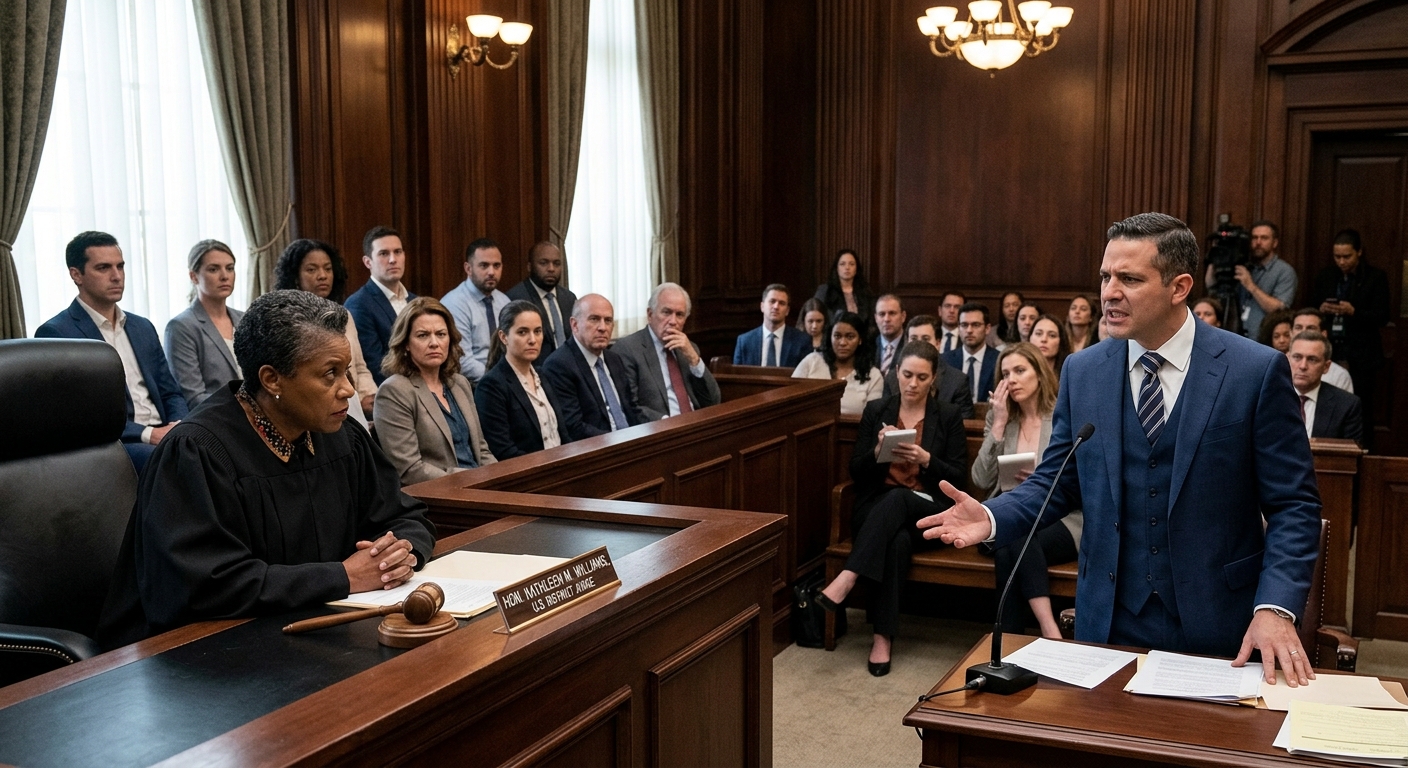
Federal Judge Kathleen Williams, presiding over the case in the Southern District of Florida, condemned the lawsuit as filed in bad faith and for an improper purpose, describing it as an attempt to manipulate the judicial process for personal and political gain. In a rare and consequential move, she referred Trump’s lead attorney, Alejandro Brito, to the Florida Bar for disciplinary review, signaling potential ethical violations tied to the filing of frivolous litigation. This referral underscored the judiciary’s role in maintaining professional and procedural integrity within the legal system and highlighted broader concerns about misuse of courts for strategic advantage.
The legal principles at stake involved the application of Rule 11 of the Federal Rules of Civil Procedure, which empowers courts to sanction attorneys and parties who file claims lacking credible evidentiary support or those intended to harass or needlessly prolong litigation. The judge’s ruling and subsequent disciplinary referral emphasized that all litigants, including former presidents, are bound by the same ethical and procedural rules, reinforcing the judiciary’s commitment to deterring abusive legal tactics. The case’s outcome, including a settlement involving a fund for compensating individuals alleging mistreatment by the criminal justice system, further illustrated the complex intersection of law, politics, and judicial ethics.
Public and legal reactions to the ruling were polarized. Legal experts praised the decision as a strong affirmation of the rule of law and judicial independence, while representatives of Trump’s legal team criticized the ruling and maintained the focus on alleged IRS misconduct regarding tax information leaks. The incident has since fueled ongoing debate about the politicization of the judicial process and the professional responsibilities of lawyers in high-stakes, politically charged litigation.
Background
In January 2026, President Donald J. Trump, along with his sons Donald Jr. and Eric Trump and The Trump Organization, filed a lawsuit against the Internal Revenue Service (IRS) and the U.S. Department of the Treasury. The suit alleged that these federal agencies were responsible for the unauthorized disclosure of the president’s tax returns to news outlets such as The New York Times and ProPublica, dating from 2018 to 2020. The complaint arose following the plea hearing of Charles E. Littlejohn, a former IRS contractor implicated in the leak, who identified President Trump as a high-ranking government official involved in the matter.
The lawsuit quickly drew significant attention, including a brief filed by 93 members of Congress labeling the action as an unconstitutional and collusive attempt to manipulate the judicial process. Two days prior to a court-mandated deadline to determine jurisdiction, the plaintiffs filed a “self-executing” notice of dismissal under Federal Rule of Civil Procedure 41(a)(1)(A)(i), terminating the lawsuit unilaterally before the IRS had filed an answer. The case was subsequently settled in May 2026, with the Justice Department agreeing to create a fund to compensate individuals who believed they had been mistreated by the criminal justice system.
Federal Judge Kathleen Williams, who presided over the case, condemned the lawsuit as filed in bad faith and for an improper purpose, stating that it was an effort to manipulate the judicial process. In response to the perceived misuse of the courts, Judge Williams referred the lawyers involved in the suit to the relevant bar authorities for disciplinary review. This action reflects broader legal principles prohibiting frivolous litigation and requiring attorneys to refrain from filing claims designed to harass or needlessly increase litigation costs.
Judicial Accusations and Rulings
In early 2026, President Donald Trump, along with his sons Donald Jr. and Eric and The Trump Organization, filed a $10 billion lawsuit against the Internal Revenue Service (IRS) and the Treasury Department. The complaint alleged that these federal agencies willfully failed to prevent unauthorized disclosure of the president’s tax information by a former IRS contractor between 2018 and 2020. However, the litigation quickly drew sharp criticism from the judiciary.
A federal judge in the Southern District of Florida ruled that the lawsuit was filed for an “improper purpose,” characterizing it as an exercise in self-dealing and an attempt to manipulate the judicial process for the president’s benefit. The judge lambasted the government and the president’s attorneys for trying to concoct a favorable arrangement through the courts, ultimately blocking the widely criticized settlement that had been reached earlier that year.
In addition to dismissing the lawsuit’s merits, the judge referred one of Trump’s lawyers to the State Bar for potential disciplinary action, emphasizing that such filings must be supported by credible evidence and not be intended to harass, cause unnecessary delay, or needlessly increase litigation costs. This referral reflects the judiciary’s responsibility to ensure that courts are used solely for the purposes intended by the Constitution and to address abuses of the judicial process.
The legal framework guiding these actions includes Rule 11 of the Federal Rules of Civil Procedure, which empowers courts to impose sanctions on parties and attorneys who file frivolous or bad-faith claims. Sanctions are designed to deter repetition of improper conduct and may include monetary penalties or attorney’s fees awarded to the aggrieved party. Courts have historically shown reluctance to impose severe penalties but have done so in cases involving egregious misconduct, underscoring the seriousness with which frivolous lawsuits are treated.
Referral of Lawyer to the Bar
In the course of the lawsuit filed by former President Donald Trump against the Internal Revenue Service (IRS) concerning the alleged leak of his tax information, Judge Kathleen Williams referred Trump’s attorney, Alejandro Brito, to the Florida Bar for review and potential disciplinary action. This referral was made in light of findings from the judge’s order, which raised questions about Brito’s conduct in relation to the case.
Such referrals to state bar associations are a recognized mechanism for maintaining professional integrity within the legal profession. Bar associations, including the Florida Bar, are responsible for investigating complaints against lawyers who may have violated rules of professional conduct, which encompass issues such as honesty, trustworthiness, and overall fitness to practice law. When a lawyer is suspected of unethical behavior, state disciplinary boards decide whether to prosecute the matter, with sanctions ranging from fines to suspension or disbarment depending on the severity of the misconduct.
The disciplinary process often begins with a complaint or referral, which prompts an investigation that may be closed if the lawyer agrees to remedial actions or if the concerns are resolved. Otherwise, the matter can proceed to formal disciplinary proceedings to determine appropriate sanctions. The American Bar Association (ABA) Model Rules for Professional Conduct guide many state rules, emphasizing deterrence of improper conduct such as filing frivolous lawsuits or engaging in actions that increase litigation costs unnecessarily.
Judge Williams’ referral exemplifies the judicial system’s role in upholding ethical standards by alerting the relevant bar authority to potential lawyer misconduct, thereby supporting the broader regulatory framework designed to preserve public confidence in the legal profession.
Responses and Public Reactions
The opinion issued by Judge Kathleen Williams in the IRS lawsuit involving former President Trump elicited a wide range of responses from legal experts, political figures, and the public. Attorneys representing the former judges praised the ruling as a “resounding victory for the rule of law,” highlighting the court’s firm stance against improper litigation tactics. Conversely, a spokesman for Trump’s private legal team condemned the decision, alleging that the IRS had improperly allowed confidential information to be leaked to several media outlets, including The New York Times and ProPublica, which subsequently published the material.
Judge Williams’ detailed opinion sharply criticized both the Justice Department’s handling of the case and the conduct of Trump’s attorneys, stating that the lawsuit was essentially an attempt to “use the Court to provide some legitimacy to an agreement to confer immunity” on associates of the former president and to allocate billions of taxpayer dollars to address grievances lacking legal basis. The judge emphasized that despite the president’s role as the functional head of the Executive Branch, he and all parties involved in a civil suit are bound by the same legal rules and ethical standards as others.
In light of her findings, Judge Williams referred Trump’s lawyer in the case, Alejandro Brito, to the Florida Bar for potential disciplinary action. Additionally, the ruling was forwarded to the state bars of New York and the District of Columbia, where ethics complaints against other lawyers involved in the case, including an Associate Attorney General, had already been filed. The Trump legal team’s response to inquiries about these referrals reiterated their stance blaming the IRS for the unauthorized disclosure of tax information.
Legal commentators noted that such referrals to state bar associations could lead to serious professional consequences, including suspension or disbarment, particularly if it is found that attorneys knowingly pursued frivolous litigation in violation of ethical rules. The imposition of sanctions serves as a deterrent against abusive legal tactics and helps maintain the integrity of the judicial process. The broader legal community observed that this case underscored the judiciary’s growing intolerance of litigation conducted for improper purposes and the importance of adhering to established professional standards.
Legal and Political Implications
The lawsuit filed by former President Donald Trump against the IRS and Treasury Department, which centered on alleged leaks of his tax information, drew significant legal scrutiny and criticism. A federal judge condemned the suit as an effort to misuse the judicial system, describing it as an attempt to legitimize an agreement to confer immunity on affiliates of the President and to allocate billions of taxpayer dollars for grievances not grounded in law. The judge emphasized that despite the President’s unique role in the Executive Branch, he is bound by the same legal rules as other parties when engaged in civil litigation.
Legally, the case raised issues about improper use of the courts. The suit was seen as filed for an “improper purpose,” which is explicitly discouraged under procedural rules aimed at preventing abusive litigation tactics. Rule 11 of the Federal Rules of Civil Procedure, for instance, mandates that sanctions be imposed on filings made in bad faith or for purposes such as delay or harassment, with the intent of deterring similar conduct in the future. Sanctions may include payment of attorney’s fees and other expenses incurred by the opposing party. In this context, the referral of Trump’s lawyer to the bar for review signaled potential professional consequences, as ethical rules based on the American Bar Association’s Model Rules prohibit lawyers from pursuing frivolous claims. Violations of these rules can lead to disciplinary actions ranging from suspensions to disbarment.
Politically, the lawsuit and its fallout highlighted tensions over the use of judicial mechanisms to address politically charged grievances. The case began with accusations against federal agencies for failing to prevent leaks of the President’s tax data between 2018 and 2020. Although the administration eventually settled the case and established a fund to compensate individuals who allege mistreatment by the criminal justice system, the initial litigation’s characterization as a strategic misuse of the courts raised concerns about the politicization of legal processes. This situation underscores the judiciary’s role in maintaining its integrity and ensuring courts serve their constitutionally intended function rather than acting as tools for political maneuvering.
Precedents and Comparative Cases
Several precedents illustrate the judicial system’s approach to sanctioning frivolous or improper legal actions similar to those observed in the case involving former President Donald Trump’s lawsuit against the Internal Revenue Service. Courts have long maintained mechanisms to deter and punish the filing of baseless claims that misuse judicial processes.
Rule 11 of the Federal Rules of Civil Procedure plays a central role in addressing such misconduct. It allows courts, or aggrieved litigants, to seek sanctions against parties or their attorneys for filing frivolous lawsuits or engaging in abusive litigation practices. Sanctions under Rule 11 may include monetary penalties such as payment of reasonable attorney’s fees and other expenses incurred due to the improper conduct, as well as nonmonetary measures intended to deter similar future behavior. The scope of sanctions is carefully tailored to what suffices to prevent repetition of the improper conduct by others in similar positions.
Historical cases further exemplify judicial responses to abuse of the legal process. For instance, Blair v. Shenandoah Women’s Center involved numerous incidents where a party took frivolous legal positions and made scandalous accusations, resulting in sanctions imposed by the court. Similarly, litigation involving agreements to refer cases to specific referees and then reneging on those agreements have been subject to judicial scrutiny and sanctions, emphasizing adherence to procedural fairness and good faith in litigation.
Beyond federal procedural rules, state disciplinary systems actively monitor attorney conduct to address patterns of malpractice or fraud. Attorneys who face multiple malpractice lawsuits, judgments for fraud, or disciplinary actions across jurisdictions may be subject to review and sanctions by state bar authorities. Such disciplinary measures serve both punitive and protective functions, aiming to uphold the integrity of the legal profession.
Judges and legal analysts have also commented on lawsuits alleging widespread election fraud and other claims lacking evidentiary support, labeling many as frivolous and subject to procedural sanctions. These judicial attitudes underscore the judiciary’s commitment to preventing the court system from being exploited for self-serving or unfounded claims, as reflected in the criticism directed at Trump’s IRS lawsuit for being filed for an improper purpose and amounting to an exercise in self-dealing.
Procedural and Ethical Framework
Lawsuits alleging widespread election fraud and irregularities are frequently deemed frivolous or entirely without merit by judges, lawyers, and legal analysts. Such lawsuits are subject to procedural rules that prohibit their filing and empower courts to impose sanctions on both lawyers and clients involved in these actions. The foundation for these ethical and procedural standards is largely derived from the American Bar Association (ABA) Model Rules for Professional Conduct, particularly Model Rule 3.1, which mirrors Rule 11 of the Federal Rules of Civil Procedure in forbidding the submission of frivolous claims.
Courts possess considerable discretion in determining appropriate sanctions for improper conduct, which may be monetary or nonmonetary and are intended to serve a deterrent purpose against improper pleadings or motions. Factors influencing the imposition of sanctions include whether the conduct was willful or negligent, whether it formed part of a pattern or was an isolated incident, and the extent to which the improper conduct permeated the legal filing. Additionally, filings containing scandalous or indecent material may be stricken under Rule 12(f) or addressed under amended Rule 11 to ensure that judicial enforcement mechanisms are effective.
Ethical obligations also require lawyers who become aware of another attorney’s substantial violations relating to honesty, trustworthiness, or overall fitness to practice law to report such conduct to the appropriate professional authority. Violations of these ethical rules can lead to disciplinary measures ranging from sanctions to suspension or disbarment, particularly when lawyers knowingly file frivolous cases. Repeat offenders may be designated as vexatious litigants, a status that imposes restrictions such as requiring prior judicial approval before initiating new lawsuits.
Legal time limits for filing claims further regulate the propriety of lawsuits, underscoring the importance of prompt legal advice. Moreover, a lawyer’s fees are subject to ethical constraints that depend on client agreements and relevant professional rules. Judicial disciplinary agencies focus on assessing whether judges have breached applicable ethics standards and do not provide legal advice on the underlying legal matters.
Complaints or referrals regarding lawyer misconduct may be dismissed or handled through various nonformal procedures such as letters of admonishment or diversion programs without the need for formal grievance charges. Judicial referrals encompass any inquiry, communication, or complaint questioning a lawyer’s conduct, including court orders or opinions that refer matters to the Bar. The ABA has maintained a commitment to robust and balanced regulatory systems for lawyers and judges since the adoption and subsequent amendments of the Model Rules for Lawyer Disciplinary Enforcement, which provide the framework for these proceedings.
In practice, legal teams often actively pursue sanctions against litigants and attorneys who file meritless
The content is provided by Harper Eastwood, 9 Minute Read