
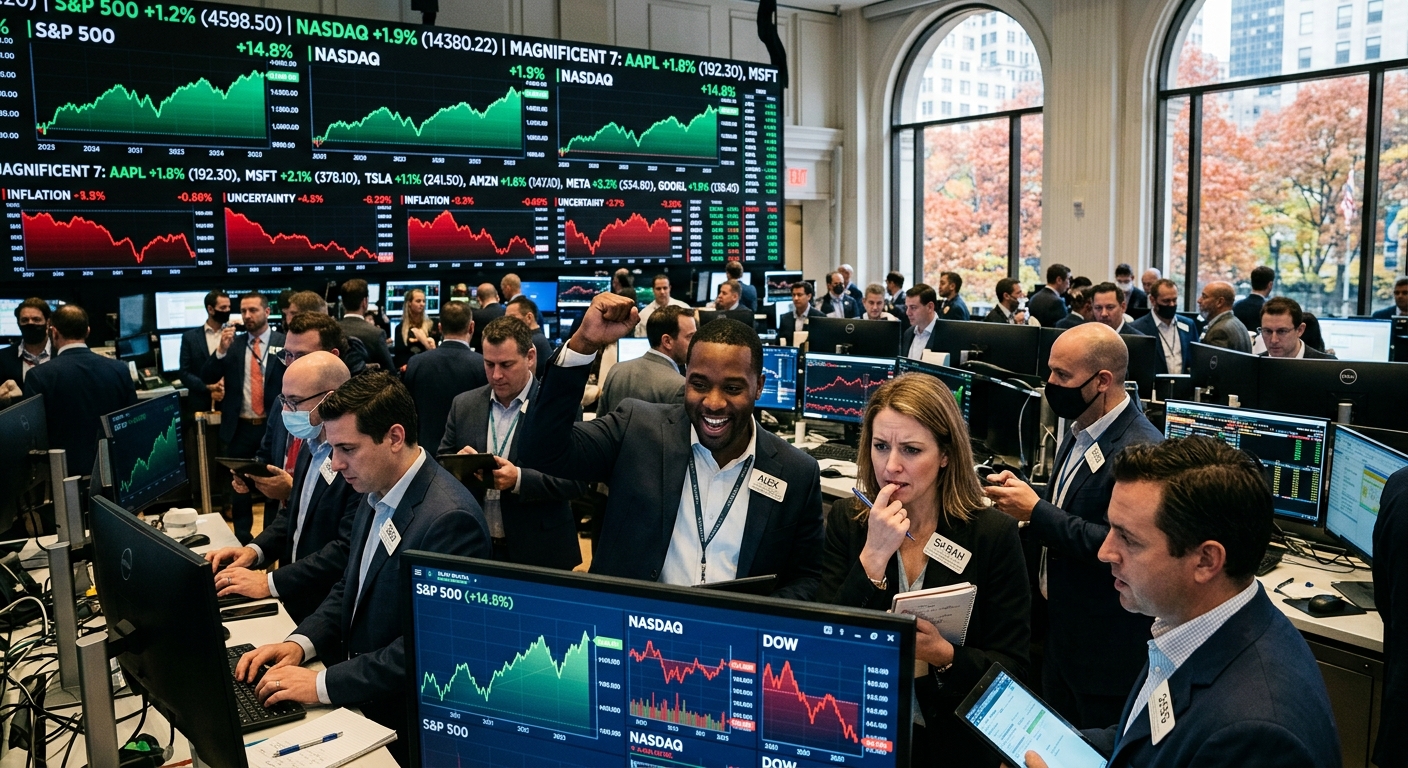
Market Performance Overview
In 2023, the U.S. stock market surged to record highs, with the S&P 500 increasing over 24%, well above the long-term average. This rally was primarily driven by strong economic growth and significant advancements in technology and communication sectors, particularly in artificial intelligence. However, despite the impressive gains, many investors remain cautious due to high interest rates—the highest in two decades—and ongoing geopolitical uncertainties, which can impact overall market confidence and decision-making.
Investor Sentiment Challenges
Investor sentiment reflects the emotional landscape that often influences market behavior. During rallies, optimism can lead to increased risk-taking, but as this sentiment shifts to euphoria, it can prompt irrational decisions like buying at peak values. Emotional biases such as loss aversion and herd behavior, particularly among retail investors, contribute to this dynamic and may result in panic selling during downturns, complicating investment strategies. Understanding these emotional triggers is crucial for making informed investment decisions that align with long-term financial goals.
Market Indicators and Economic Factors
Signals of investor unease often manifest through market momentum indicators and economic outlooks. For example, when the S&P 500 trades below its critical moving averages, it may indicate increased investor caution despite rising indices. Economic factors, including interest rate adjustments from central banks, significantly affect investor comfort levels and risk appetite, influencing investment flows. As markets respond to macroeconomic changes, staying informed on economic indicators can help navigate potential risks and volatility.
Behavioral Finance Insights
Behavioral finance highlights how cognitive biases impact investment decisions across different investor groups. Retail investors, often more susceptible to emotional influences, may struggle with cognitive biases during turbulent times, while institutional investors generally leverage analytical tools to inform their strategies. Consequently, institutional investors may better navigate market ambiguity and avoid impulsive reactions influenced by sentiment. Recognizing these differences can enhance understanding of market movements and investor behavior during periods of fluctuation.
Long-Term Perspectives and Risk Management
While the stock market’s short-term performance has been strong, maintaining a long-term investment horizon is critical to mitigate risks associated with volatility. Geopolitical events and economic uncertainties can create significant market fluctuations, emphasizing the need for geographic diversification and a focus on fundamental value, especially in emerging sectors. Constructing diversified portfolios with a mix of asset types, such as ETFs and fixed-income options, can help stabilize exposure and support sustained growth regardless of short-term market trends.
Future Considerations and Market Outlook
The outlook moving forward is shaped by previous performance trends and evolving market conditions. Investors are encouraged to develop strategies that incorporate a balanced assessment of risks while factoring in mental biases that may affect decision-making. As market dynamics evolve, focusing on disciplined investing principles and adapting to changes in sentiment can support advantageous positioning for future growth. Understanding the cyclical nature of markets allows for better preparation against unexpected downturns, emphasizing the importance of a steady, long-term approach amid ongoing fluctuations.
The content is provided by Sierra Knightley, 9 Minute Read