Summary
The Trump administration’s imposition of a 50% tariff on select Canadian goods in 2026 marked a significant escalation in longstanding trade tensions between the United States and Canada. Invoking the rarely used Section 338 of the U.S. Tariff Act of 1930, President Donald Trump justified the tariffs as a necessary response to what the U.S. characterized as “discriminatory, unequal, and unreasonable” Canadian trade practices that disadvantaged American industries, particularly in the dairy, motor vehicle, and alcoholic beverage sectors. This move came amid unresolved disputes over Canada’s tariff-rate quotas and import restrictions, despite the existence of the United States-Mexico-Canada Agreement (USMCA), which the U.S. declined to renew, further complicating North American trade relations.
The tariffs targeted a broad range of Canadian exports—including wine, dairy products, hockey sticks, and cement—and took effect 30 days after the announcement, excluding certain sectors such as energy and critical minerals. The U.S. government framed these duties as a tailored measure to offset trade imbalances and retaliate against Canadian retaliation, applying the highest permissible tariff rate under Section 338 to maximize leverage. The action disrupted supply chains, raised production costs, and contributed to rising consumer prices, while severely impacting American family-run wineries and Canadian importers alike.
The tariffs prompted strong diplomatic backlash from Canada, with officials condemning the measures as unfounded and harmful to the bilateral relationship. Canadian leaders called for reciprocal tariffs and implemented economic support programs to mitigate damage to affected industries and workers, while public opinion in both countries was marked by polarized reactions, including a “Buy Canadian Instead” movement that reduced U.S. alcohol exports by over 90% during parts of 2026. The dispute also raised legal questions over the unprecedented use of Section 338, leading to ongoing judicial scrutiny and challenges that culminated in related Supreme Court decisions limiting emergency tariffs imposed under other statutes.
Despite intermittent negotiations and some tariff exemptions for USMCA-compliant goods, the trade conflict signaled a deterioration in U.S.-Canada economic relations with long-term implications for North American trade integration. The tariffs underscored persistent disagreements over trade policy and sovereignty, echoing historical protectionist tensions and contributing to market volatility and uncertainty as the two nations awaited the next USMCA review slated for 2026.
Background
The imposition of new tariffs by the United States on select Canadian goods stemmed from escalating trade tensions and longstanding disputes over what the U.S. administration described as “discriminatory, unequal, and unreasonable” Canadian tariff schemes. In 2025, President Donald Trump announced a sweeping 50% tariff on various Canadian imports, excluding energy products, potash, fish, and critical minerals, with the tariffs targeting goods that had previously been protected under the United States-Mexico-Canada Agreement (USMCA), a trade pact that the U.S. chose not to renew, thereby initiating fresh negotiations that could extend through 2036.
The tariffs were part of a broader strategy to address perceived trade imbalances, highlighted by a reported $41 billion U.S. trade deficit with Canada in 2023, amid a total bilateral trade volume of $923 billion. The U.S. government emphasized tailoring the tariff measures to the volume of trade and the specific harms caused by Canadian trade policies, utilizing the highest rate allowable under Section 338 of U.S. trade law. Exemptions were made for USMCA-compliant products, with a 25% tariff applied only to the non-U.S. content of certain goods, ensuring a minimum effective duty of 15% ad valorem on imports until at least the end of 2027.
Underlying these actions were ongoing disputes over Canada’s dairy tariff-rate quotas (TRQs), with the United States challenging Canada’s allocation practices since 2021. Despite a 2022 dispute panel ruling in favor of the U.S. and subsequent Canadian revisions, the U.S. maintained that the changes remained insufficient, leading to continued consultations and trade friction. The trade conflict has affected multiple sectors, notably impacting American dairy farmers and processors concerned about prolonged tariff impacts, as well as U.S. winemakers facing Canadian boycotts and significant market losses due to retaliatory measures on alcoholic beverages.
The broader context includes strained diplomatic relations, disrupted supply chains, and market volatility, with limited relief offered through ongoing negotiations and temporary tariff exemptions. The dispute reflects deeper challenges in North American trade relations following the Trump administration’s withdrawal from USMCA renewal and the subsequent imposition of tariffs reminiscent of historic trade protectionism, drawing comparisons to the Smoot–Hawley Tariffs era.
Legal Authority and Justification
The tariffs imposed by the Trump administration on select Canadian goods were enacted under Section 338 of the U.S. Tariff Act of 1930, a rarely used legal provision that authorizes the president to impose tariffs of up to 50 percent on imports from countries deemed to discriminate against U.S. industry. Although Section 338 has been part of U.S. trade law for decades, its application for imposing tariffs represents a novel and unprecedented use of the statute. The administration justified this step as a necessary response to what it characterized as Canadian discrimination against U.S. industries, specifically targeting motor vehicles, dairy, and alcohol sectors.
A senior administration official emphasized that the tariffs aimed to hold Canada accountable for substantial retaliation against prior U.S. trade actions designed to support American manufacturing, reindustrialization, and reshoring efforts. The official further explained that Section 338 provides the president with authority in cases where a foreign country treats the United States less favorably than third countries, thus constituting discriminatory conduct. This rationale was positioned as a measure to offset the disadvantage U.S. commerce faces due to Canada’s alleged unequal and unreasonable tariff practices.
Despite the administration’s assertions, legal experts anticipate challenges to the use of Section 338 for tariff imposition. Ryan Majerus, a trade law partner at King and Spalding, noted that although the statute is broad in scope as a discrimination provision, it had never been previously employed for tariffs and is therefore likely to face judicial scrutiny. Additionally, the tariffs were implemented regardless of the existing free trade framework under the United States-Mexico-Canada Agreement (USMCA), underscoring the administration’s unilateral approach to trade enforcement. This move has reignited tensions between the two countries, raising questions about the future stability of U.S.-Canada trade relations and the ongoing review of the USMCA scheduled for 2026.
Announcement and Implementation of Tariffs
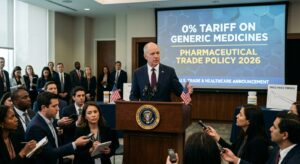
On July 20, 2026, President Donald Trump announced the imposition of new 50% tariffs on a wide range of Canadian goods, citing Canada’s “discriminatory treatment” of U.S. products and industries as the primary justification. These tariffs were enacted under the rarely used Section 338 of the Tariff Act of 1930, a legal provision originating from the Great Depression era that empowers the president to levy tariffs of up to 50% on imports from countries that uniquely discriminate against U.S. commerce compared to other nations. The proclamations signed by the president impose significant duties on Canadian exports including wine, dairy products, hockey sticks, cement, autos, alcohol, and various other goods.
The tariffs were scheduled to take effect 30 days after the announcement, specifically on August 19, 2026. Despite being a component of the United States-Mexico-Canada Agreement (USMCA), goods crossing under this trade pact were not exempt from the new tariffs, signaling a notable escalation in trade tensions between the two countries. However, certain products were excluded from the Section 338 tariffs, such as energy products, potash, fish, critical minerals, and goods already subject to tariffs under Section 232 of the Tariff Act.
The administration framed the tariffs as a response to what it characterized as “unreasonable, unequal, and discriminatory actions” by Canada, which included restrictive import tariffs and quota allocations that disadvantaged American exporters, particularly in the dairy and alcohol sectors. The tariffs cover an extensive list of products at the tariff item level, which should be read in conjunction with Canada’s Customs Tariff schedules for full details.
The announcement reignited trade frictions between the United States and Canada, two of the largest trading partners globally. The Canadian government initially did not provide an immediate response to the tariff imposition. Industry groups and regional stakeholders on both sides of the border expressed concerns about the economic impact. For example, American family-run wineries faced substantial setbacks due to the tariffs, while Canadian importers and distributors predicted significant budget shortfalls related to reduced U.S. alcohol imports.
While the tariffs represented a bold step to address perceived trade discrimination, there was some uncertainty about their duration. President Trump’s administration left room for ongoing negotiations, as past announced tariff increases were not always fully implemented. Nevertheless, the tariffs marked a significant escalation in the trade dispute, potentially affecting various sectors including agriculture, manufacturing, and consumer goods, with implications for bilateral economic relations.
Trade Discrimination Claims in Detail
The imposition of a 50% tariff on select Canadian goods by the Trump administration was primarily justified by claims of discriminatory trade practices by Canada against U.S. industries. According to U.S. officials, Canada maintained an unequal and unreasonable tariff scheme that adversely affected U.S. businesses and workers, creating significant competitive disadvantages. The administration highlighted Canada’s protectionist policies particularly targeting three major U.S. sectors: motor vehicles, dairy products, and alcoholic beverages.
Canada’s dairy system was criticized for its complicated and restrictive tariff-rate quotas on U.S. cheese imports, which are more stringent than those applied to European Union imports, despite Canada holding trade agreements with both parties. Additionally, Canadian quotas on cars imported from the U.S. were managed in a way that incentivized American auto companies to produce in Canada rather than in the United States, further deepening trade tensions. The Canadian restrictions on U.S. alcoholic beverages were notably severe, with nearly all provinces and territories halting the purchase and sale of U.S. alcohol while allowing imports from other countries, leading to an estimated 81% drop in U.S. alcohol imports into Canada within one year.
U.S. Trade Representative Jamieson Greer emphasized that Canada’s actions—removing U.S. alcohol products from shelves, providing better market access to EU dairy products, and capping U.S. vehicle exports—constituted retaliation and discrimination warranting a firm response. These Canadian measures have had a pronounced economic impact, including substantial losses for American family-run wineries and significant budget shortfalls for Canadian liquor distributors, which in turn have led to layoffs among importers and wineries on both sides of the border.
In response to these grievances, the U.S. administration imposed tariffs on a range of Canadian exports including wine, hockey sticks, cement, dairy products, plywood, paper, and furniture, with the tariffs serving as punishment for Canada’s discriminatory practices and aiming to protect U.S. industries from unfair competition. This tariff action, set at the highest level allowable under Section 338, was described as a tailored measure reflecting the volume of trade and the specific harm to U.S. commerce. The dispute has persisted despite existing trade frameworks like the USMCA, under which many Canadian goods are supposed to enter the U.S. duty-free or with limited tariff exposure.
Economic Impact
The imposition of 50% tariffs on select Canadian goods under the Trump administration has generated significant economic repercussions on both sides of the U.S.-Canada border. U.S. businesses reliant on Canadian imports have faced increased production costs, which are passed through the supply chain and ultimately lead to higher prices for American consumers. This inflationary pressure is further exacerbated by the depreciation of the Canadian dollar and tariffs on intermediate goods, which amplify cost increases in production inputs such as equipment and machinery. As a result, consumer price inflation (CPI) in the U.S. has risen, offsetting any potential dampening effects from excess supply or lower commodity prices.
The tariffs have disrupted supply chains, particularly affecting the U.S. automotive sector where Canadian materials play a critical role in production. This disruption has not only raised costs but also risked delays, making American-made products more expensive and threatening American economic prosperity. Small and medium-sized enterprises, especially family-run American winemakers, have felt the impact acutely. The wine industry has suffered substantial losses, with U.S. wine exports to Canada plummeting from $460 million in 2024 to $103 million in 2025 due to Canadian provincial bans on American alcohol products in response to the tariffs. This trade disruption resulted in a $357 million deficit for the U.S. wine sector and led to layoffs of Canadian workers employed by U.S. importers and wineries.
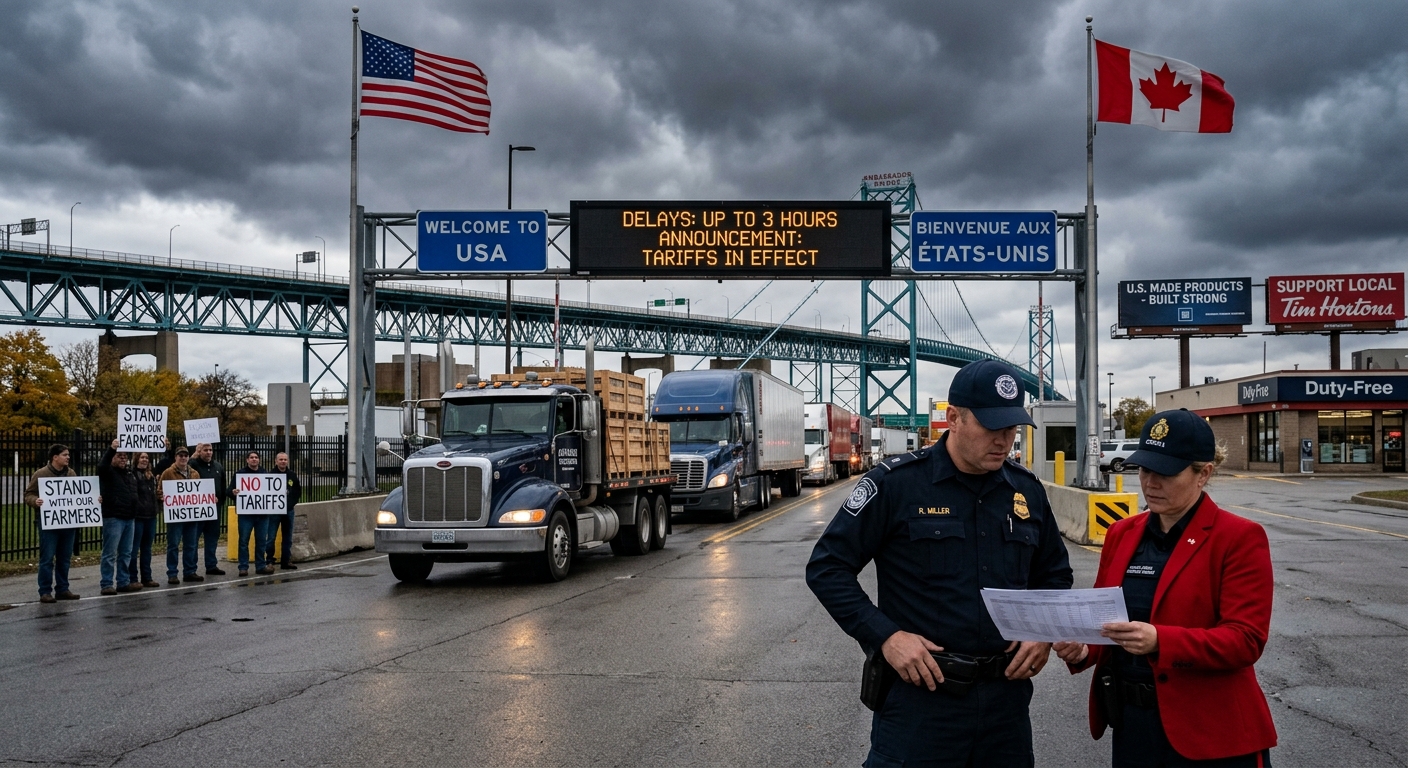
For Canada, the tariffs pose a considerable threat to its export-dependent economy, potentially disrupting key industries and growth prospects. In response, the Canadian government has implemented countermeasures including targeted tariff waivers for specific commercial uses, economic support programs, and initiatives such as the Regional Tariff Response Initiative aimed at assisting small businesses affected by U.S. tariffs and related trade tensions. The “Buy Canadian Instead” movement, which encouraged consumers to favor domestic products over American imports, has also influenced market dynamics in Canada, particularly in sectors like alcohol where boycott effects have been pronounced.
Furthermore, these trade barriers have introduced complexity and uncertainty into the broader economic landscape, with ongoing negotiations, temporary exemptions, and legal challenges shaping the evolving environment. In early 2026, the U.S. Supreme Court struck down several emergency tariffs, prompting the administration to impose a new, more tailored 10% global tariff that largely exempts goods compliant with the Canada-United States-Mexico Agreement (CUSMA), although several sector-specific measures remain in effect.
Political and Diplomatic Reactions
The announcement of the tariffs on Canadian goods by the Trump administration sparked significant political and diplomatic responses from both sides of the border. U.S. officials justified the tariffs as a necessary measure to “hold” Canada accountable for what they described as “substantial retaliation” against American industries, framing the action as part of a broader effort to reindustrialize and support U.S. manufacturing. The tariffs targeted a wide range of Canadian exports including wine, dairy products, hockey sticks, and furniture, among others, and were presented as a punitive response to perceived Canadian discrimination against key U.S. sectors such as motor vehicles, dairy, and alcohol.
From the Canadian perspective, government officials and industry leaders criticized the U.S. measures as unfounded and detrimental to the long-standing trade relationship. Ambassador Kirsten Hillman, economist Trevor Tombe, and Al Mussell highlighted that misleading narratives—especially exaggerated claims regarding Canadian dairy tariffs—had fueled public and political pressure in the U.S., complicating negotiations and increasing the risk of unnecessary disputes. Canadian Prime Minister Mark Carney emphasized the country’s commitment to protecting workers and businesses while seeking a negotiated settlement with the United States. Carney also announced steps to bolster domestic industries, such as tightening import controls and reducing tariff rate quotas on steel imports from non-free trade agreement countries.
The political response within Canada also included calls for reciprocal action. Ontario Premier Doug Ford urged a tit-for-tat tariff retaliation, advocating for a “dollar for dollar” response to the U.S. measures. Meanwhile, the Canadian government implemented economic support programs aimed at mitigating the impact of the tariffs on affected workers and businesses, including waivers on tariffs for goods used in specific manufacturing sectors.
Despite the tensions, U.S. and Canadian officials continued to engage in discussions regarding trade barriers and the future of the bilateral relationship. A senior U.S. administration official noted that while substantive discussions had taken place, the two countries were not yet in a formal negotiating stage. The looming 2026 review of the United States-Mexico-Canada Agreement (USMCA) added another layer of complexity, as any potential changes to the agreement could influence the resolution of these trade disputes.
The imposition of tariffs and the accompanying rhetoric also had wider diplomatic implications. Former President Trump publicly linked the tariffs to unrelated issues such as Canadian wild
Legal and Trade Implications
The imposition of a 50% tariff on select Canadian goods by the Trump administration under Section 338 of the U.S. Tariff Act represents a novel and legally untested approach to addressing trade discrimination claims. This statute authorizes the president to levy maximum tariffs on imports from countries that are deemed to discriminate against U.S. industries, yet it had not been previously used for such a broad retaliatory tariff measure. Legal experts have anticipated significant challenges to the administration’s actions, given the unprecedented use of this provision in an international trade context.
The tariffs target a wide range of Canadian exports, including wine, hockey sticks, cement, dairy products, plywood, paper, and furniture, justified by the U.S. government as a response to alleged Canadian discrimination against American motor vehicles, dairy, and alcohol industries. The administration’s decision to implement these duties, which took effect 30 days after announcement, sparked immediate tensions with Canada, one of the United States’ closest allies and its second-largest trading partner. The move also complicates the ongoing status of the United States-Mexico-Canada Agreement (USMCA), as the Trump administration expressed dissatisfaction with the current terms, refusing to renew it without amendments perceived to better protect U.S. economic interests.
The legal backdrop to these tariffs was further complicated in early 2026 when the U.S. Supreme Court struck down several emergency tariffs previously imposed by Trump under the International Emergency Economic Powers Act (IEEPA), in the case of Learning Resources, Inc. v. Trump. Following this ruling, Trump announced a new temporary 10% global tariff that exempted goods compliant with the Canada-United States-Mexico Agreement (CUSMA), while retaining sector-specific and other trade measures. This sequence of judicial and executive actions underscores the contentious and evolving nature of U.S. trade policy under the Trump administration.
Trade relations between the U.S. and Canada became increasingly strained, with Canadian officials condemning the tariffs as violations of the USMCA and threats to Canadian sovereignty. In response, Canadian leaders vowed to defend domestic industries and workers, with calls for retaliatory tariffs on a dollar-for-dollar basis and encouragement for Canadian consumers to prioritize domestic products over American goods to mitigate the impact of higher prices resulting from the tariffs. These reciprocal measures highlight the escalating tit-for-tat dynamics and the broader uncertainty facing North American trade amid this dispute.
Despite ongoing discussions aimed at addressing trade barriers and enhancing economic security in North America, the Trump administration maintained that it was not engaged in formal negotiations at the time of the tariff imposition. The administration emphasized a targeted approach, tailoring tariffs to the volume of trade and the specific harms caused by discriminatory Canadian practices, while employing the highest tariff rate permissible under Section 338 to maximize pressure on Canada.
Public and Media Response
The announcement of the 50% tariffs on select Canadian goods by the Trump administration sparked a wide range of reactions from public figures, industry groups, and consumers in both countries. While the U.S. government framed the tariffs as a necessary measure to hold Canada accountable for what it described as “discriminatory, unequal, and unreasonable tariff schemes,” the response highlighted deep divisions over the efficacy and consequences of such trade actions.
Industry leaders expressed concern over the potential economic fallout. Candace Laing, president and CEO of the Canadian Chamber of Commerce, labeled the tariffs a “regrettable escalation” and urged both nations to pursue meaningful negotiations before the tariffs took effect, emphasizing the importance of the U.S.-Canada trading relationship that accounts for over $300 billion in bilateral goods annually. Meanwhile, the U.S. Distilled Spirits Council criticized the move, warning that imposing steep tariffs could exacerbate tensions and provoke retaliatory measures, thereby harming both U.S. businesses and consumers.
Consumers also reacted noticeably. U.S. consumer sentiment plummeted in the wake of escalating trade tensions, with the University of Michigan Consumer Sentiment Index dropping to its second-lowest level since 1952, reflecting widespread pessimism about the economy and inflation risks linked to the “volatile trade war”. On the Canadian side, a “Buy Canadian Instead” movement gained momentum, leading to significant declines in imports of U.S. products such as wine and spirits. Reports showed a dramatic 91% reduction in U.S. wine exports to Canada during a recent three-month period, illustrating the tangible impact of the tariff-induced consumer shifts.
Experts and officials have also highlighted the role of misinformation in fueling the dispute. Ambassador Kirsten Hillman and economists like Trevor Tombe pointed to misleading narratives, including exaggerated claims regarding Canadian dairy tariffs, as a factor intensifying public pressure and complicating diplomatic efforts. These distorted perceptions forced policymakers to balance fact-based decision-making against politically charged rhetoric, raising the risk of prolonged or unnecessary trade conflicts.
Aftermath and Long-term Developments
The imposition of tariffs on Canadian goods by the Trump administration led to what has been described as the “most catastrophic” trade disruption in a single year for U.S. wine exports, among other affected sectors. The backlash included a “Buy Canadian Instead” movement, which further complicated bilateral trade relations and targeted alcohol and other sensitive categories. The tariffs not only disrupted supply chains but also amplified production costs due to layered taxation on intermediate goods, which increased prices for consumers on both sides of the border.
Trade tensions escalated significantly after 2025, with the U.S. implementing tariffs on key Canadian exports, and the future of the USMCA trade agreement remaining uncertain as a scheduled review in July 2026 loomed. The Trump administration’s tariffs largely exempted goods compliant with USMCA rules; however, this created complexities in tariff rate calculations and exemptions, particularly for auto parts and other regulated products. The situation intensified market volatility and strained diplomatic relations between the two countries, forcing companies to adapt to new supply chain realities amid ongoing negotiations and temporary exemptions that provided only limited relief.
The economic impact of the tariffs was profound for Canada’s export-dependent economy, raising fears of sustained disruption and economic cost. Canadian countermeasures aimed to defend national interests, consumers, workers, and businesses, recognizing that the tariffs would affect both Canadian and American markets. The trade war led to heightened political rhetoric, including Trump’s public criticism of Canadian wildfires as a justification for trade measures, which further deteriorated bilateral relations.
In early 2026, legal challenges culminated in the U.S. Supreme Court striking down several emergency tariffs previously imposed under the International Emergency Economic Powers Act in the case Learning Resources, Inc. v. Trump. Subsequently, the administration announced a new temporary 10% global tariff that largely exempted CUSMA-compliant Canadian and Mexican goods but maintained sector-specific trade measures. Despite these developments, formal negotiations to resolve the dispute had not commenced, although both sides exchanged ideas to enhance economic security and address trade barriers.
The content is provided by Avery Redwood, 9 Minute Read