Summary
Trumps Bold Move: New Sweeping Tariffs Imposed on 60 Countries as Global Trade Duties End is a major trade policy initiative undertaken during President Donald Trump’s second term, marked by the imposition of comprehensive tariffs on imports from approximately 60 countries accounting for nearly 99 percent of U.S. imports. Announced in early 2025 and implemented following the expiration and judicial invalidation of previous tariff measures, these duties were principally justified by concerns over the failure of many trading partners to effectively prohibit or enforce bans on goods produced with forced labor. The administration framed the tariffs as a necessary response to unfair trade practices and human rights abuses, aiming to protect American workers and create a more equitable trading environment.
Building on earlier tariffs imposed since 2018, including measures under Section 232 and Section 301 of the Trade Act of 1974, the new duties represented one of the most expansive and complex trade actions in recent U.S. history. The legal foundation of the tariffs was initially challenged, culminating in a 2026 Supreme Court ruling that struck down tariffs imposed under the International Emergency Economic Powers Act (IEEPA) as exceeding executive authority, prompting a shift to alternative statutory bases for tariff imposition. These legal battles highlighted significant tensions between executive power and congressional authority in trade policymaking.
Economically, the tariffs have had mixed and often controversial effects. While intended to bolster domestic manufacturing and curb unfair imports, they contributed to higher consumer prices, inflationary pressures, and disruptions in supply chains. Studies estimate that tariffs added roughly 0.5 to 0.7 percentage points to inflation metrics and led to a net loss of around 400,000 jobs, outweighing employment gains in protected sectors. The tariffs also sparked uncertainty among businesses navigating compliance challenges and fluctuating trade policies, with some manufacturers adopting cautious strategies in response.
Internationally, the sweeping tariffs provoked a wide range of reactions, including negotiations by key U.S. partners such as Japan, Vietnam, and Brazil seeking exemptions or tariff reductions. Developing economies, particularly those reliant on exports to the U.S., expressed concern over economic instability and job losses, prompting calls for trade diversification and diplomatic engagement. The tariffs, therefore, not only reshaped U.S. trade policy but also reverberated through global economic and political relations during a period of heightened trade tensions and regulatory challenges.
Background
Since his return to the White House, President Donald Trump has frequently employed tariffs as a key economic strategy, aiming to bolster U.S. manufacturing and create domestic jobs. However, this approach has been met with criticism for raising prices for American consumers and disrupting the global economy. The administration’s recent tariff actions specifically target countries accused of failing to prohibit or enforce bans on goods produced with forced labor, marking one of the most significant trade initiatives of Trump’s second term. These tariffs affect economies responsible for approximately 99 percent of U.S. imports and are intended to create a level playing field for American workers by penalizing unfair trade practices linked to forced labor.
Prior to the new sweeping tariffs, the United States had already engaged in extensive tariff measures, including Section 232 and Section 301 tariffs imposed since 2018. These actions led to retaliatory tariffs on U.S. exports totaling more than $112 billion and generated over $264 billion in higher customs duties collected by the U.S. government by the end of 2024. Section 301 tariffs are considered by trade experts as a more legally durable tool, having survived previous court challenges, in contrast to the emergency authority used in earlier broader tariff regimes.
The new tariffs imposed under the International Emergency Economic Powers Act (IEEPA) in 2025 were ruled unlawful by the Supreme Court in early 2026, prompting the administration to replace them with a combination of tariffs and investigations under Sections 122, 301, and 232. As part of this effort, on March 11, 2026, the U.S. Trade Representative (USTR) initiated several new Section 301 investigations targeting structural excess capacity and production issues in manufacturing sectors across multiple countries, including China, the European Union, and several Asian nations.
Economic analyses suggest that an increase in tariffs by 10% initially lowers headline inflation by about 1 percentage point in the first year, though inflation tends to rise modestly in subsequent years before the effect diminishes by the fourth year. Notably, headline and core consumer price index (CPI) inflation respond differently to tariff changes at the onset, indicating complex inflationary dynamics resulting from these trade policies.
The choice of industries targeted by these tariffs reflects those with high market concentration in the U.S., suggesting a strategic approach to trade enforcement. However, some domestic manufacturers, such as Durham Furniture Inc., have adopted a cautious stance toward the tariffs due to uncertainty stemming from the administration’s fluctuating trade policy signals since early 2025.
Despite legal and economic complexities, tariffs remain a central pillar of the current administration’s economic agenda, with expectations that the average effective tariff rate could eventually stabilize around 15-18%. The ongoing use of tariffs continues to shape U.S. trade policy amid evolving international trade relations and regulatory challenges.
Announcement and Implementation of Tariffs
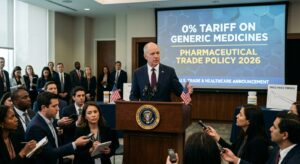
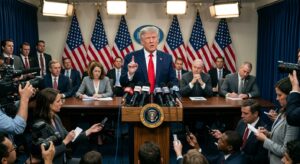
In a significant trade action during President Trump’s second term, the administration announced new tariffs targeting countries that have failed to adequately prohibit or enforce bans on goods produced with forced labor. These levies, set to take effect at 12:01 a.m. on a Friday, apply to economies accounting for approximately 99 percent of U.S. imports, marking one of the largest trade measures introduced by the administration. The move was positioned as an effort to level the playing field for American workers by penalizing markets that allow forced labor-linked products into international supply chains.
The U.S. Trade Representative (USTR) revealed plans to impose additional 12.5% duties on 45 countries under investigation, including major trading partners such as China, India, Nigeria, Japan, South Korea, Vietnam, Australia, and New Zealand. USTR Jamieson Greer condemned the failure of these partners to address forced labor imports, calling it unacceptable and a source of unfair competition for U.S. workers. Public comments on the proposed tariffs and related remedies were accepted through July 6, followed by a public hearing on July 7.
To avoid complications arising from layering new levies on existing tariffs, the rollout was carefully timed to replace the temporary 10% duties imposed earlier in the term. The administration emphasized the importance of continuity and predictability for business leaders in the tariff regime. The temporary 10% tariff, which had been in place since February 20, was set to expire on July 24, coinciding with the Supreme Court’s striking down of previous tariffs under the International Emergency Economic Powers Act.
The announced tariff rates vary by product category and country. Certain metal-intensive industrial equipment and electrical grid equipment face a reduced tariff rate of 15% through 2027. Products made entirely with American steel, aluminum, and copper are subject to 10% tariffs, while derivatives containing 15% or less of these materials are exempt from Section 232 tariffs. The United Kingdom continues to receive preferential tariff rates. Additionally, President Trump announced plans to impose tariffs on auto imports beginning April 2, 2025, alongside executive orders ending the de minimis exemption and adjusting reciprocal tariff rates with over 60 countries. These new rates range from 25% to 100% on critical goods including semiconductors, steel and aluminum products, electric vehicles, batteries, natural graphite, medical goods, magnets, cranes, and solar cells. Some tariffs were implemented immediately, with others scheduled through 2025 and 2026, expected to generate approximately $3.6 billion in new tax revenue based on 2023 import values.
Official Rationale
The Trump administration justified the imposition of new tariffs on imports from 60 countries by citing concerns over inadequate enforcement of bans on goods produced through forced labor. U.S. Trade Representative Jamieson Greer emphasized that the United States has maintained a forced labor import ban for nearly a century and rigorously enforces it, stating that it is “well past time for our trading partners to do the same”. The tariffs, set at 10% to 12.5%, were designed to target countries that have failed to sufficiently prohibit or enforce these bans, thereby leveling the playing field for American workers by penalizing foreign markets allowing forced-labor-linked products into international supply chains.
This trade action was framed as a necessary measure to protect national and economic security by addressing “unjustifiable,” “unreasonable,” or “discriminatory” trade practices, leveraging authority under Section 301 of the Trade Act of 1974. This statute empowers the president to impose import taxes and other sanctions on countries engaging in such unfair trade behaviors. The administration intended for the timing of the rollout to “avoid complexity” by not layering the new levies on top of existing 10% duties, responding to business leaders’ demands for greater continuity and predictability around tariffs.
Furthermore, the U.S. Trade Representative underscored that the failure of major trading partners—including China, India, Nigeria, Japan, South Korea, Vietnam, Australia, and New Zealand—to address the importation of goods made with forced labor was “unacceptable” and created unfair competition for American workers. While imports from countries with some form of forced-labor prohibition faced a 10% tariff, others were subject to higher duties of 12.5%, with exemptions granted to certain products such as oil, gas, fertilizer, and goods qualifying for duty-free treatment under the U.S.-Mexico-Canada Agreement. This large-scale tariff initiative was expected to reignite debates over the administration’s aggressive trade agenda in the lead-up to the November midterm elections.
Impact on Affected Products and Industries
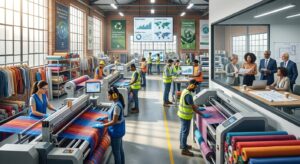
The imposition of new tariffs under the 2018–19 measures and the subsequent 2025 expansions has had a varied impact across different sectors and products. Fabricated metals and leather products have consistently faced some of the highest tariffs, largely due to the Section 232 tariffs on steel and aluminum and their exposure to trade outside the USMCA framework. Similarly, apparel, textiles, and electrical equipment continue to encounter elevated average tariffs, driven by their reliance on imports from China and regional trade partners. In contrast, sectors such as food, chemicals, agriculture, and energy experience relatively modest tariff exposure, benefiting either from limited dependence on affected countries or exemptions under existing trade agreements.
While some domestic industries have derived limited benefits from these tariffs, the broader economic outcome has been negative. The burdens have predominantly affected U.S. consumers through increased prices, producers dependent on imported inputs, and workers in industries vulnerable to tariff-related disruptions. As of early 2025, the U.S. administration has introduced further tariffs, including an additional 20 percent on all imports from China and a 25 percent tariff on aluminum and steel imports from several countries. These newer tariffs cover a more dispersed set of goods with generally lower aggregate import volumes compared to previous tariffs focused on high-volume sectors like steel and aluminum.
Certain product categories have faced adjusted tariff rates to reflect their composition or origin. For instance, metal-intensive industrial equipment and electrical grid equipment are subject to a reduced 15 percent tariff through 2027. Products manufactured entirely from American steel, aluminum, and copper face a 10 percent tariff, while derivative products containing 15 percent or less of these metals have been exempted from Section 232 tariffs. Additionally, preferential rates continue to apply to imports from the United Kingdom. Notably, tariffs on auto imports were announced to commence in April 2025, marking an expansion of tariff coverage into new sectors.
The impact on trade with Canada exemplifies the targeted nature of these tariffs. New tariffs set to take effect in August 2025 would apply to approximately US$20 billion of Canadian exports to the U.S., representing about 5 percent of Canada’s shipments. The affected goods span diverse categories, including wine, whey, and wigs, many of which belong to industries with high U.S. market concentration. The uncertainty surrounding these tariffs has led companies like Durham Furniture Inc., a Canadian solid wood bedroom furniture manufacturer, to adopt a cautious approach amid fluctuating trade policies.
From an economic standpoint, tariffs have contributed to increased import prices, which have generally been passed on to consumers, thereby affecting inflation. Despite initial assessments during 2018–2019 suggesting limited inflationary impact, later studies indicated a nearly one-to-one increase in import prices following the tariffs, much of which translated into higher consumer costs. However, no significant aggregate labor market effects have been observed so far, although sectors with high tariff exposure have shown signs of relative weakness compared to pre-2025 trends.
Domestic Economic Impact
The imposition of sweeping tariffs by the Trump administration in 2025 has had a significant and multifaceted impact on the domestic economy. Key affected sectors include fabricated metals, leather products, apparel, textiles, and electrical equipment, which continue to face elevated tariffs due to their reliance on imports from China and non-USMCA trade partners. Conversely, industries such as food, chemicals, agriculture, and energy have experienced relatively modest tariff exposure, benefiting in part from trade exemptions under existing agreements.
Despite the intention to bolster domestic production—particularly through 25 percent tariffs on steel and aluminum imports aimed at strengthening U.S. manufacturing—the broader economic effects have been largely negative. For example, the U.S. imported 44 percent of its aluminum and 26 percent of its steel in 2023, mostly from Canada, highlighting the challenge of replacing these supply chains quickly. The tariffs have been passed almost entirely through to import prices but only partially to retail consumers, indicating that some businesses absorbed the costs, which compressed retail margins rather than fully raising consumer prices.
Inflation has been one of the most pronounced domestic consequences. Food prices rose sharply, with beef prices increasing by 16 percent and coffee by nearly 20 percent during 2025. Americans paid over 6 percent more for fruits, fish, and seafood as a direct result of tariff-induced price increases. Studies attribute these tariffs with adding up to 0.7 percentage points to the Consumer Price Index and 0.5 percentage points to the Personal Consumption Expenditures price index, contributing to elevated inflationary pressures. Initially, tariffs caused headline inflation to fall due to reduced demand, but inflation gradually increased, first affecting goods and later persistent service categories.
Employment effects have been detrimental as well. Although tariffs aimed to protect certain manufacturing jobs, overall employment is estimated to have declined by approximately 400,000 jobs after accounting for gains in protected industries. The loss of manufacturing employment has had broader social impacts, affecting communities reliant on these jobs for income and financial security during a period marked by increased economic uncertainty and reduced consumer confidence.
Household costs have risen not only due to higher prices but also through increased insurance premiums. Marketplace health insurance premiums rose as insurers adjusted rates to account for tariff-related cost increases, leading to a decline in enrollment by 1.4 million Americans in 2026. Employer-sponsored insurance plans have also faced higher premiums and deductibles, further straining household budgets.
Finally, the tariffs are part of a broader economic environment that assumes wages, productivity, and non-tariff taxes remain constant, while general equilibrium effects such as retaliatory trade actions, monetary policy shifts, and exchange rate adjustments are expected to dampen inflation estimates by suppressing economic growth. Nonetheless, the net effect of the tariff regime has been a burden on U.S. consumers, producers reliant on imported inputs, and workers in adversely affected sectors, overshadowing the limited benefits gained by protected domestic industries.
International Responses
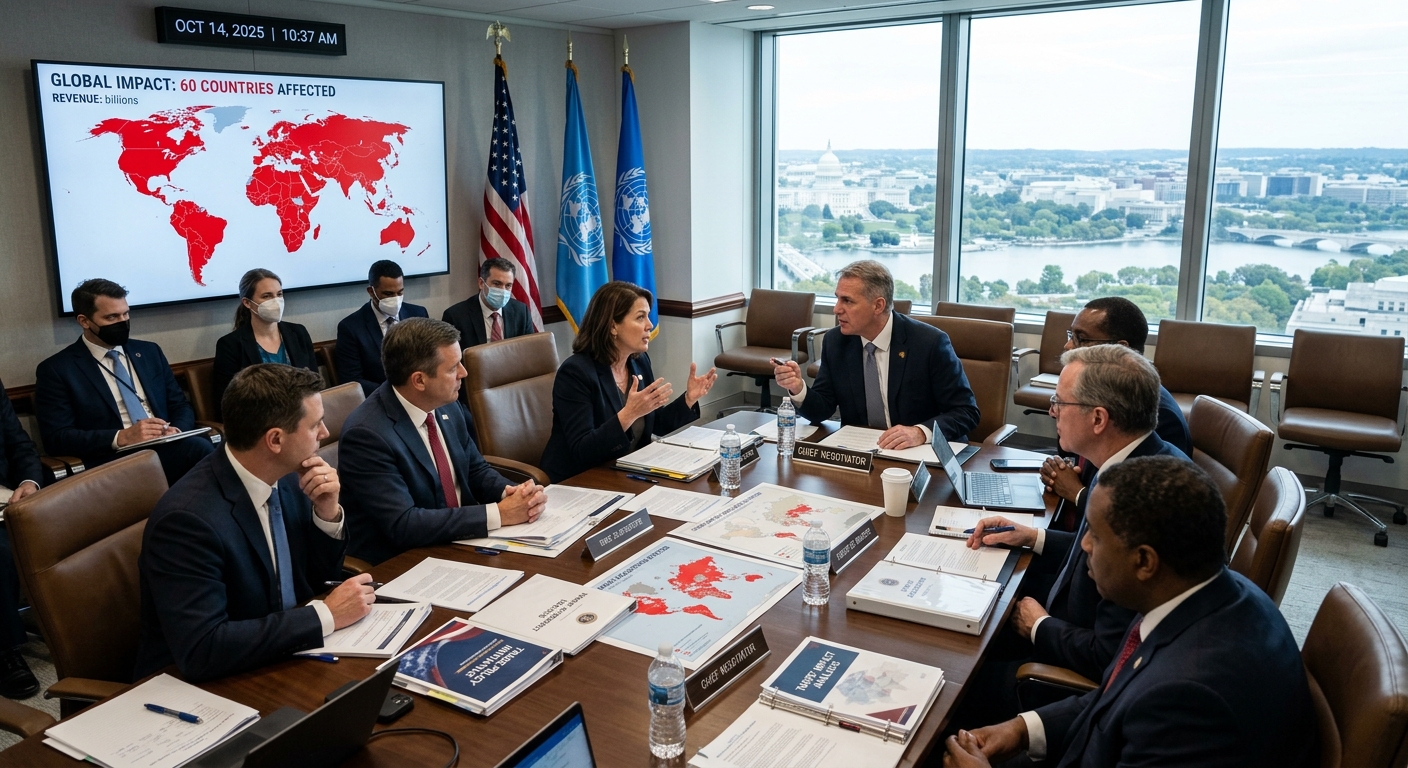
The imposition of new tariffs by the Trump administration in 2025, targeting 60 countries with duties of 12.5% or higher, has elicited a wide array of international reactions. These tariffs, largely justified by concerns over forced labor and unfair trade practices, affect nearly 99 percent of U.S. imports and represent one of the most expansive trade actions of Trump’s second term.
Several key U.S. trading partners have actively sought to negotiate reductions or exemptions from the tariffs. Japan, a longstanding economic ally with $148.2 billion in exports to the United States in the previous year, is reported to have received priority in these discussions due to its prompt engagement with the U.S. administration. Vietnam also continues to pursue negotiations despite initial dismissals from U.S. trade advisers. Brazil has engaged in prolonged talks with U.S. officials following the imposition of a 25% steel tariff, while simultaneously exploring alternative trade opportunities, including a pending trade agreement with the European Union
Legal Challenges and Legislative Responses
President Trump’s use of the International Emergency Economic Powers Act (IEEPA) to impose broad tariffs on goods from nearly 60 countries sparked significant legal and legislative controversies. Traditionally, tariffs are considered a core power of Congress, and prior administrations had not used IEEPA as a basis for sweeping trade duties. The Supreme Court emphasized that Congress is unlikely to delegate such substantial authority without clear and explicit language, which was lacking in this case.
Following Trump’s April 2025 proclamation of Liberation Day tariffs at a minimum of 10%, several legal challenges were mounted against his claimed authority under IEEPA. At least seven cases were filed in federal courts arguing that the imposition of tariffs without explicit congressional authorization exceeded executive power and infringed on the legislature’s prerogatives. These cases also underscored the broad economic consequences for states, businesses, and individuals, warning that such executive actions could set a precedent for expansive policymaking beyond the original scope of emergency economic legislation.
In May 2025, the United States Court of International Trade ruled in V.O.S. Selections, Inc. v. United States and Oregon v. Department of Homeland Security that Trump had overstepped his authority under IEEPA. The court found the tariffs illegal because the declared emergency—citing fentanyl trafficking and trade deficits—had no rational connection to the trade restrictions imposed. This ruling was reinforced by the Supreme Court’s decision in February 2026 in the case Learning Resources, Inc., which struck down the IEEPA tariffs as unauthorized.
The Supreme Court’s conservative majority applied the “major questions” doctrine, which demands explicit congressional authorization for executive actions with significant economic or political impact. However, Justice Elena Kagan, joined by the two other liberal justices, expressed concerns about this doctrine’s application, cautioning against overly restrictive judicial interpretations of executive power in her concurrence.
In response to these rulings, the Trump administration temporarily shifted to imposing a 10 percent tariff under Section 122 of the Trade Act of 1974, which allowed a 150-day emergency tariff authority but expired shortly thereafter. Concurrently, legislative efforts emerged in the 119th Congress to rein in the President’s tariff powers. Proposed bills aimed to repeal sections of existing statutes or require joint resolutions of approval from both houses of Congress for executive tariff actions to continue beyond 60 days. These legislative proposals sought to restore congressional oversight and prevent unilateral executive imposition of tariffs without legislative consent.
Despite congressional revisions to require joint resolutions subject to presidential approval or veto, the high threshold for veto overrides—two-thirds majorities in both chambers—has made it practically difficult for Congress to terminate emergency declarations based on IEEPA. Consequently, the President’s ability to act under such emergency powers remains substantial unless checked by judicial intervention. The legal challenges and legislative proposals together illustrate the ongoing tension between executive authority and congressional control over trade policy in the United States.
Economic and Political Motivations Behind the Tariffs
The imposition of sweeping tariffs on 60 countries under the Trump administration reflected a significant shift in U.S. trade policy, motivated by both economic and political considerations. Economically, the tariffs aimed to strengthen the United States’ international economic position and protect American workers from unfair foreign competition, particularly targeting practices linked to forced labor in global supply chains. President Trump declared that foreign trade and economic practices had created a national emergency, necessitating responsive tariffs to rebuild the economy and restore national and economic security.
Politically, the move represented a departure from the Republican Party’s longstanding support for free trade, signaling a return to a protectionist stance reminiscent of early 20th-century policies. Trump’s embrace of restrictive trade policies and broad tariffs was a clear response to growing concerns about trade deficits and the perceived disadvantage faced by U.S. industries and workers in the global market. The timing of the tariff rollouts, particularly ahead of the November 3 midterm elections, suggested an additional political dimension, as the administration took risks amid widespread public frustration over the high cost of living and sought to demonstrate a tough stance on trade.
The tariffs also targeted countries that had failed to adequately address the use of forced labor in producing goods exported to the United States. Following a thorough investigation by the U.S. Trade Representative, additional duties of 12.5% were proposed on imports from countries including China, India, Nigeria, Japan, South Korea, Vietnam, Australia, and New Zealand. Some countries qualified for a reduced 10% rate after taking steps to combat forced labor practices. This approach was intended to tackle human rights abuses while addressing unfair competition faced by American workers.
Despite these stated goals, the tariffs created uncertainty and confusion among businesses trying to navigate compliance and supply chain challenges. Critics and human rights watchers expressed skepticism regarding the motivations behind the tariffs but acknowledged that the levies could have a meaningful impact on addressing forced labor issues. The administration underscored its commitment to using all available trade tools, including Section 301 of the Trade Act of 1974, to enforce trade policy objectives and ensure reciprocity in trade relations.
Economic and Social Consequences
The broad imposition of tariffs under the Trump administration, including the 2018–19 tariffs and the subsequent 2025 measures, produced a complex array of economic and social effects. While some domestic industries benefitted from protectionist measures, the overall impact on the U.S. economy was net negative. Consumers, producers dependent on imported inputs, and workers in adversely affected sectors bore the brunt of these policies.
From an economic perspective, the tariffs raised substantial government revenue, estimated to be just under $400 billion, or about 1.3% of GDP—the largest tax increase since 1968. However, these measures also contributed to inflationary pressures. Studies indicate that tariffs added approximately 0.5 to 0.7 percentage points to key inflation metrics such as the Consumer Price Index and Personal Consumption Expenditures price index. Although initial data suggested limited price changes from exporters, further analysis revealed nearly one-for-one increases in import prices passed on to consumers. Inflation responses were characterized by an initial decline followed by a gradual increase over subsequent years, affecting both goods and services inflation.
Employment effects were also significant. Estimates suggest that the tariffs led to a net reduction of approximately 400,000 jobs, despite gains in protected manufacturing sectors. The loss of manufacturing employment had profound implications not only for displaced workers but also for the communities that relied on these jobs for economic stability and security. Although there was no clear aggregate labor market disruption, industries most exposed to tariffs exhibited relative weakness compared to pre-2025 trends.
Long-term economic modeling projects severe consequences from these trade policies. Projections indicate a potential 6% decline in long-run GDP and a 5% reduction in wages attributable to the tariffs, translating into a lifetime income loss of $22,000 for a typical middle-income household. These adverse effects exceed those from a comparable increase in corporate tax rates, highlighting the substantial distortionary impact of tariffs.
Moreover, the tariffs contributed to uncertainty and recession fears, which depressed consumer sentiment and economic growth. General equilibrium effects—including retaliatory tariffs, shifts in monetary policy, and exchange rate adjustments—likely tempered inflationary impacts but also suppressed broader economic expansion. The aggregate outcome underscored the complex trade-offs inherent in the administration’s aggressive tariff strategy, with clear benefits limited to specific sectors but broad costs borne by the wider economy and society.
Media Coverage and Public Discourse
The imposition of new tariffs on 60 countries by the Trump administration sparked extensive media coverage and widespread public debate. Major news outlets highlighted the economic and political implications of the tariffs, often focusing on the administration’s justification and the resulting backlash. Economists cited by the White House to support the tariffs expressed dissatisfaction with the policy, emphasizing the negative effects on consumer confidence and economic stability. Reports indicated that more than half of Americans held the Trump administration responsible for rising living costs and disapproved of the increased tariffs.
Legal experts also contributed to the discourse, particularly surrounding the judicial challenges to the tariffs. Justice Elena Kagan, in a notable concurrence, criticized the conservative majority’s use of the “major questions” doctrine to block aspects of the tariff policy. She argued that significant economic actions by the president should require explicit congressional authorization, highlighting tensions between branches of government over trade authority.
The media further covered the tariffs’ impact on the healthcare sector, noting that marketplace insurers raised premiums partly due to tariff-related cost increases. This led to a decline in marketplace insurance enrollment by 1.4 million Americans in 2026, a trend expected to worsen as consumers face higher costs. Employer-sponsored insurance premiums also rose under new regulations that allowed increased deductibles and cost-sharing.
Trade experts and industry representatives appeared in the media to discuss the selection of industries targeted by the tariffs, often pointing out that those industries exhibited high U.S. market concentration, suggesting strategic considerations behind the choices. For example, the president of Durham Furniture Inc. expressed cautious optimism but maintained a wait-and-see stance due to the administration’s history of fluctuating trade policies.
The U.S. Trade Representative Jamieson Greer’s public statements and actions were widely reported. Greer emphasized the moral and economic rationale for tariffs targeting goods produced with forced labor, framing the tariffs as necessary to ensure fair competition for American workers. He announced investigations and additional duties on major trading partners including China, India, and Japan, signaling an aggressive enforcement approach that was both praised and criticized in the media.
Subsequent Developments and Policy Changes
Following the expiration of the near-blanket 10% tariff imposed by the Trump administration earlier in the year, the U.S. Trade Representative (USTR) launched a new round of tariffs ranging from 10% to 12.5% on imports from 60 countries, including major trading partners such as China, India, Nigeria, Japan, South Korea, Vietnam, Australia, and New Zealand. These tariffs took effect at 12:01 a.m. on a Friday, covering goods that collectively account for approximately 99.4% of U.S. imports.
The newly imposed duties stem from a Section 301 investigation that scrutinized unfair trade practices tied to the use of forced labor in global supply chains. The administration cited the failure of key trading partners to prohibit or enforce bans on goods produced with forced labor as justification for the tariffs, characterizing the practice as an unacceptable source of unfair competition for American workers. U.S. Trade Representative Jamieson Greer emphasized the need to address forced labor in every sector and condemned the lack of adequate action from other countries.
The USTR opened a public comment period and scheduled a hearing to gather input on the proposed tariffs and related remedies, highlighting the administration’s intent to incorporate feedback before finalizing policy measures. Economists and trade experts have noted that while the Supreme Court struck down some earlier tariffs, the use of trade duties remains a central pillar of the administration’s economic strategy. Despite short-term uncertainties surrounding tariff scenarios, projections suggest that the average effective tariff rate could stabilize between 15% and 18% over time.
Internationally, reactions to the new tariffs have been mixed. Some countries have engaged in prolonged discussions with the U.S. to mitigate the impact, exemplified by Brazil’s ongoing meetings following previous steel tariffs and its efforts to diversify trade partnerships, including advancing trade agreements with the European Union and Mercosur-Singapore. The sweeping nature of the tariffs has prompted broader reflections on the United States’ approach to trade relations, with analysts noting a shift toward viewing countries through the lens of trade deficits and surpluses rather than traditional geopolitical alignments.
The content is provided by Avery Redwood, 9 Minute Read