
Summary
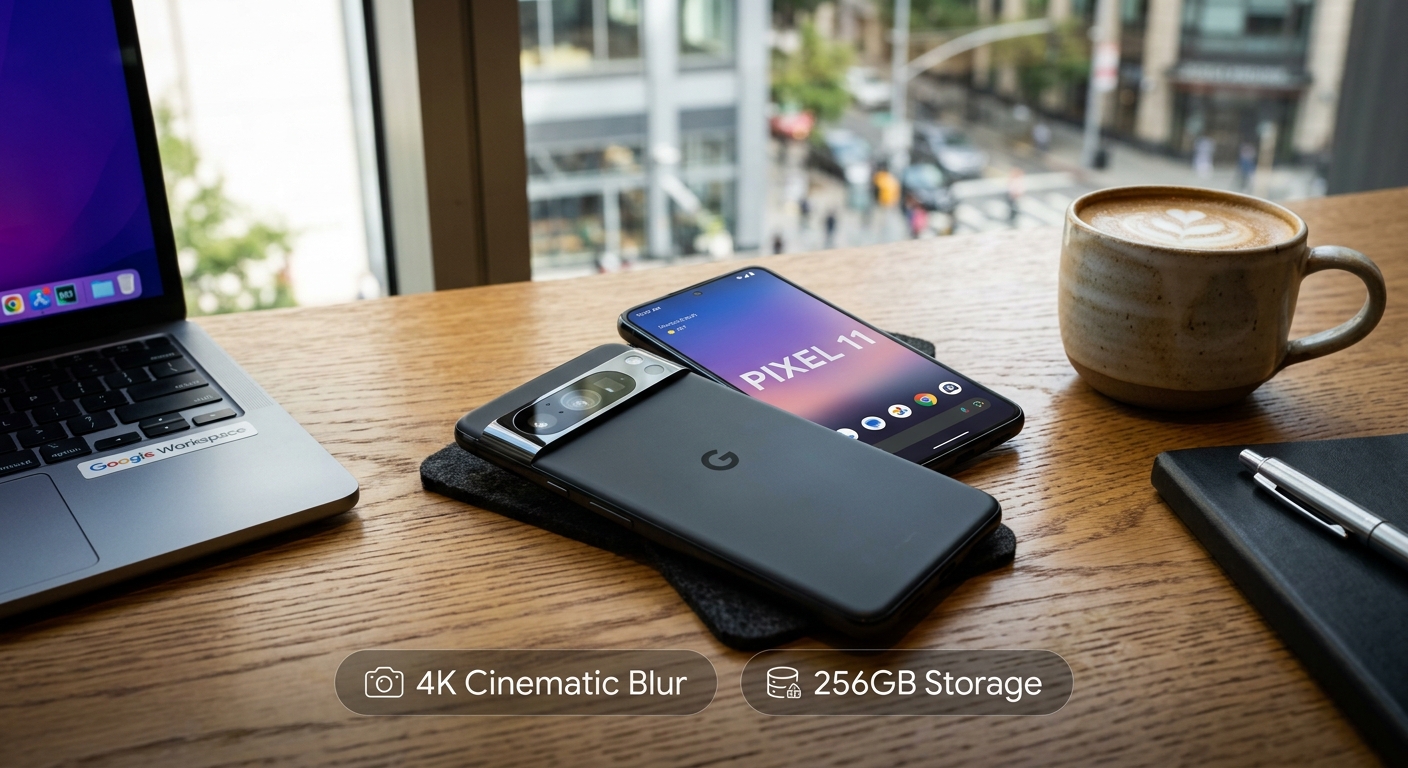
The Pixel 11 series, Google’s upcoming flagship smartphone lineup, is set to debut with a significant price increase compared to its predecessor, the Pixel 10. The base Pixel 11 model is expected to start at approximately $899 in the United States—about $100 more than the previous generation—while the Pixel 11 Pro may be priced around $1,099. This price adjustment accompanies notable hardware and software enhancements, including a return to the horizontal camera bar design, upgraded camera features such as 4K Cinematic Blur video recording, a new video relight tool, and a shift to a higher base storage of 256GB.
Google attributes the price hike primarily to rising costs of critical components, especially mobile DRAM memory, which has experienced a severe supplier-driven shortage affecting the broader technology industry. According to Shakil Barkat, Google’s Vice President of Devices and Services, the company has absorbed supply chain cost increases for as long as possible but now must implement dynamic pricing strategies that reflect ongoing market realities. This dynamic pricing approach allows Google to adjust Pixel prices frequently based on supply conditions, marking a strategic departure from fixed retail pricing.
The price increase has sparked discussions among consumers and industry analysts regarding its impact on Pixel’s market competitiveness. While the higher starting price positions the Pixel 11 above several rival flagship models such as Samsung’s Galaxy S26 and Apple’s iPhone 17, Google aims to offset the cost through ecosystem incentives, including trade-in offers and bundled services like a complimentary year of Google AI Pro with Pro models. Nevertheless, some potential buyers may be discouraged by the reduced availability of lower-cost configurations and the absence of a 128GB entry-level option.
This pricing shift reflects a wider industry trend in 2026, as multiple major technology companies, including Apple, Nintendo, Microsoft, and Roku, have raised device prices amid escalating memory and component costs. Google’s transparent communication of the price increase and its dynamic pricing model represent efforts to balance profitability, consumer expectations, and competitive positioning in a challenging economic environment for smartphone manufacturers.
References:
Dealabs pricing leak reports
Pixel 11 design and camera feature rumors
Official statements from Google’s VP of Devices and Services, Shakil Barkat
Analysis of Google’s dynamic pricing strategy
Market response to Pixel pricing changes
Interviews on supply-driven pricing adjustments
Industry-wide memory cost impact reports
Smartphone industry pricing trends in 2026
Google trade-in and bundled service promotions
Pixel market share and Alphabet revenue reports
Background
The Pixel 11 series is anticipated to feature design changes such as the return of the horizontal camera bar, now in black instead of matching the phone’s body color. Alongside these visual updates, the Pixel 11 is expected to introduce enhanced camera functionalities, including an upgraded Cinematic Blur mode supporting 4K video at 30 frames per second, and a new video relight feature that allows users to adjust lighting within recorded videos to create more dynamic scenes. The Pixel 11 Pro is rumored to maintain a similar design to its predecessor but may lose certain niche features like the temperature sensor previously located in the camera bar.
In terms of pricing, reports indicate a significant increase compared to the Pixel 10 series. The Pixel 11 is expected to start at $899 in the US, while the Pixel 11 Pro may be priced around $1,099, representing an approximate $100 increase over their predecessors. This shift also involves the removal of a lower-cost 128GB entry-level model, with the Pixel 11 potentially launching exclusively at 256GB or higher capacities. This adjustment alters the price-to-storage comparison between the generations and suggests a strategic repositioning toward higher-end segments rather than a uniform price hike across all configurations.
Historically, Pixel device pricing has generally trended upward, with occasional exceptions such as the Pixel 3a and 4a models, reflecting either increased production costs or deliberate premium positioning by Google. Moreover, Google has indicated plans to dynamically adjust Pixel pricing based on supply conditions, suggesting that prices could fluctuate in response to market realities.
Details of the Upcoming Price Increase
Recent leaks and official statements indicate that the upcoming Pixel 11 series will see a notable price increase compared to its predecessor. According to Dealabs, a French outlet known for accurate pre-order pricing, the Pixel 11 models in Europe are expected to be priced approximately €100 (~$114) higher than the Pixel 10, with a similar increase of around £80 (~$107) in the UK. This price adjustment aligns with an earlier launch date, with the Pixel 11 event scheduled for August 12, 2026, and retail availability expected from August 20, 2026, marking an earlier release compared to last year’s model.
Google has confirmed that Pixel pricing will be dynamically adjusted to reflect supply conditions and market realities. A recent interview with Google’s Vice President of Devices and Services revealed that price “adjustments” are currently impacting Pixel devices, including those already in the market, such as the Pixel 10a. While the company has not disclosed specific timelines for these increases, potential buyers are advised to consider purchasing sooner rather than later to avoid higher costs.
Samsung’s recent price strategy offers a comparable precedent, with price hikes justified by new features like the privacy display on the Galaxy S26. Similarly, Google may be positioning the Pixel 11’s price increase as a reflection of significant upgrades and innovations. Throughout major sales events and product announcements, prices are actively monitored and updated multiple times per day to provide the most current information to consumers, with options available for price alerts to notify users of any drops to desired levels.
Reasons for the Price Increase
The upcoming price increase for the Pixel 11 series is primarily attributed to significant rises in the cost of key components, particularly memory. Google’s Vice President of Devices and Services, Shakil Barkat, confirmed that the company has been absorbing volatile supply chain costs for as long as possible but can no longer shield consumers from the soaring prices of mobile DRAM and other hardware inputs. This memory price inflation is part of a broader industry trend, with major companies such as Apple, Nintendo, Microsoft, and Roku also raising prices in response to the “severe, supplier-driven RAM memory crisis”.
The escalation in raw material costs is compounded by supply shortages and global economic pressures, leading to what Google describes as a fundamental shift in the economics of device production. These factors have forced Google to implement “dynamic” price adjustments that will reflect ongoing supply realities across the entire Pixel lineup, including both existing models and the forthcoming Pixel 11 series. This dynamic pricing strategy acknowledges that the increased costs cannot be indefinitely absorbed without impacting the viability of offering competitive products.
Additionally, the Pixel 11 series itself incorporates hardware and feature enhancements that contribute to the elevated pricing. The base storage capacity is reportedly doubling from 128GB to 256GB, which is a considerable upgrade likely factoring into the price increase. Furthermore, the Pixel 11 is expected to launch with a new 2nm-built Tensor G6 chip, promising improved thermal efficiency, battery life, and AI capabilities, albeit with relatively modest performance gains compared to competitors. The introduction of enhanced camera hardware, including a new 50MP main sensor and upgraded lenses on Pro models, also adds to the cost structure of the new devices.
Strategic Context within Google’s Ecosystem
Google’s approach to pricing the Pixel 11 is embedded within a broader strategy aimed at balancing premium experiences with accessible value. The company plans to “dynamically” adjust Pixel prices to reflect supply realities, ensuring the product remains competitive while maintaining profitability. This dynamic pricing model is supported by frequent updates—prices are checked and updated multiple times per day—allowing Google to respond swiftly to market fluctuations and major sale events such as Black Friday or Google I/O announcements.
Within Google’s ecosystem, trade-in offers play a significant role in making Pixel devices more accessible. Google’s own store provides competitive trade-in values, particularly benefiting users upgrading from recent Pixel models or other flagship smartphones. Additionally, Pixel Pro models come bundled with a complimentary year of Google AI Pro, valued at approximately $240, which effectively offsets the higher upfront cost and enhances the overall value proposition for consumers embedded in the Google ecosystem.
Google’s integrated control over hardware and software development—including its design of proprietary AI models, software, and chipsets—enables more efficient on-device performance and supports the premium positioning of the Pixel lineup. Complementary offerings such as bundled services like Google One and promotions further enhance the attractiveness of Pixel devices, aligning with Google’s goal to broaden accessibility despite premium pricing.
Despite these efforts, Google’s Pixel market share remains modest; in the first quarter of 2024, Pixel phones accounted for less than nine percent of global smartphone shipments, contributing to just 11 percent of Alphabet’s $307 billion revenue through the subscriptions, platforms, and devices segment. This context underscores the strategic importance of pricing agility and ecosystem incentives in driving adoption and sustaining competitiveness in the crowded smartphone market.
Impact on Consumers and Market
The upcoming price increase for the Pixel 11 lineup is expected to significantly impact consumers, particularly those considering mid-range models like the Pixel 10a, which remains early in its lifecycle. Google has not disclosed the exact timing for these price adjustments but suggests that prospective buyers may benefit from purchasing sooner rather than later to avoid higher costs.
This move aligns Google with other major technology companies such as Apple, Nintendo, Microsoft, and Roku, all of which have raised prices in response to rising memory costs and broader supply chain challenges. Google’s VP of Devices and Services has acknowledged that the company has shielded consumers from these supply fluctuations for as long as possible, but economic realities have necessitated dynamic pricing adjustments across the Pixel family to maintain competitiveness.
The expected price changes are likely to lead to a starting price of approximately $899 for the base Pixel 11 model, which would include 256GB of storage—double the previous standard. This price point positions the Pixel 11 above flagship models from competitors like Samsung’s Galaxy S26 and Apple’s iPhone 17, potentially challenging Google’s goal to offer “premium experiences at an accessible value”.
Market analysts anticipate a $50 to $100 increase in US Pixel prices, mirroring similar or greater hikes already observed in Europe and the UK, where increases of around €100 (~$114) and £80 (~$107) respectively have been reported. While these estimates remain unofficial, such a rise could drive some consumers to opt for older models like the Pixel 10, which may remain more affordable, especially if Google does not implement additional price cuts.
From a market perspective, Google’s strategy to announce and set expectations around the price increases early aims to mitigate consumer backlash. Although some resistance is expected, transparency about the economic factors influencing pricing may foster greater tolerance among buyers. Nevertheless, the higher starting prices risk dampening sales momentum, especially in a highly competitive premium smartphone market segment.
Despite the price increases, Google continues to offer incentives such as competitive trade-in values and added services like a complimentary year of Google AI Pro with Pro models, which may partially offset the cost for consumers embedded within the Google ecosystem. Additionally, tools like price alerts and regular price tracking can help buyers make informed purchasing decisions during promotional periods.
Official Responses and Industry Analysis
Google has officially acknowledged the upcoming price adjustments for the Pixel 11 lineup, attributing the changes primarily to shifts in supply chain economics. A company representative, Barkat, explained that while Google had endeavored to shield consumers from supply fluctuations for as long as possible, the rising costs—particularly in memory components—have made price increases unavoidable. He emphasized that the adjustments will be implemented dynamically to align with ongoing supply realities.
The base model of the Pixel 11 is expected to start at $899, notably higher than its predecessor, but it will feature doubled storage capacity at 256GB compared to the Pixel 10’s standard 128GB. Google has promised to maintain its commitment to delivering “premium experiences at an accessible value,” despite the higher price point. This pricing strategy appears to be a response not only to supply costs but also to broader market trends, as major tech companies including Apple, Nintendo, Microsoft, and Roku have similarly raised prices due to soaring memory costs.
Industry analysts and commentators have pointed out that Google’s approach includes setting expectations early to mitigate consumer backlash. By communicating these adjustments ahead of time, the company aims to soften potential negative reactions, although some sales impact remains possible. Observers note that the $899 starting price positions the Pixel 11 above competing flagship models such as the Galaxy S26 and iPhone 17, potentially challenging its market competitiveness.
Additional analysis highlights that consumers can leverage price tracking tools to monitor fluctuations and identify optimal purchasing moments, especially during major sales events like Black Friday or Google I/O announcements. These tools provide historical price data, allowing users to set alerts and make informed decisions amidst the changing pricing landscape.
Related Pricing and Industry Trends
The upcoming price increase for the Pixel 11 aligns with a broader trend of rising smartphone costs across the industry in 2026. Several major manufacturers, including Samsung and Motorola, have already raised prices for their latest models, such as the Galaxy S26 series and the 2026 Razr lineup. This widespread increase is largely attributed to soaring memory and component costs that have affected many technology companies.
Google has acknowledged these supply challenges and confirmed that all Pixel devices, including the unreleased Pixel 11, will see higher prices to reflect the shifting economic landscape. Shakil Barkat, Google’s Devices and Services VP, explained that the company has tried to shield consumers from supply fluctuations for as long as possible but must now implement “adjustments” to prices dynamically based on supply realities. Despite these increases, Google aims to maintain “premium experiences at an accessible value” through promotions, trade-in deals, and bundled offerings like Google One.
Specific pricing leaks indicate that the Pixel 11 models will experience roughly a €100 (~$114) increase across Europe, with a similar £80 (~$107) hike in the UK compared to the Pixel 10 series. While official U.S. prices have not been confirmed, analysts speculate price hikes of $50 to $100 for most models in the American market, which would mark a notable rise from current discounted prices on older devices. The base Pixel 11 model is expected to start at $899 but will feature increased storage capacity (256GB instead of 128GB), partially justifying the higher cost.
This trend of rising prices is not unique to Google; companies ranging from Apple and Nintendo to Microsoft and Roku have also raised prices in response to increased memory costs and supply chain constraints. As a result, consumers are seeing a consistent upward pressure on smartphone prices globally, emphasizing the challenges manufacturers face in balancing costs and value offerings in a competitive market.
The content is provided by Blake Sterling, 9 Minute Read