Impact of Middle East Turmoil on Oil Prices
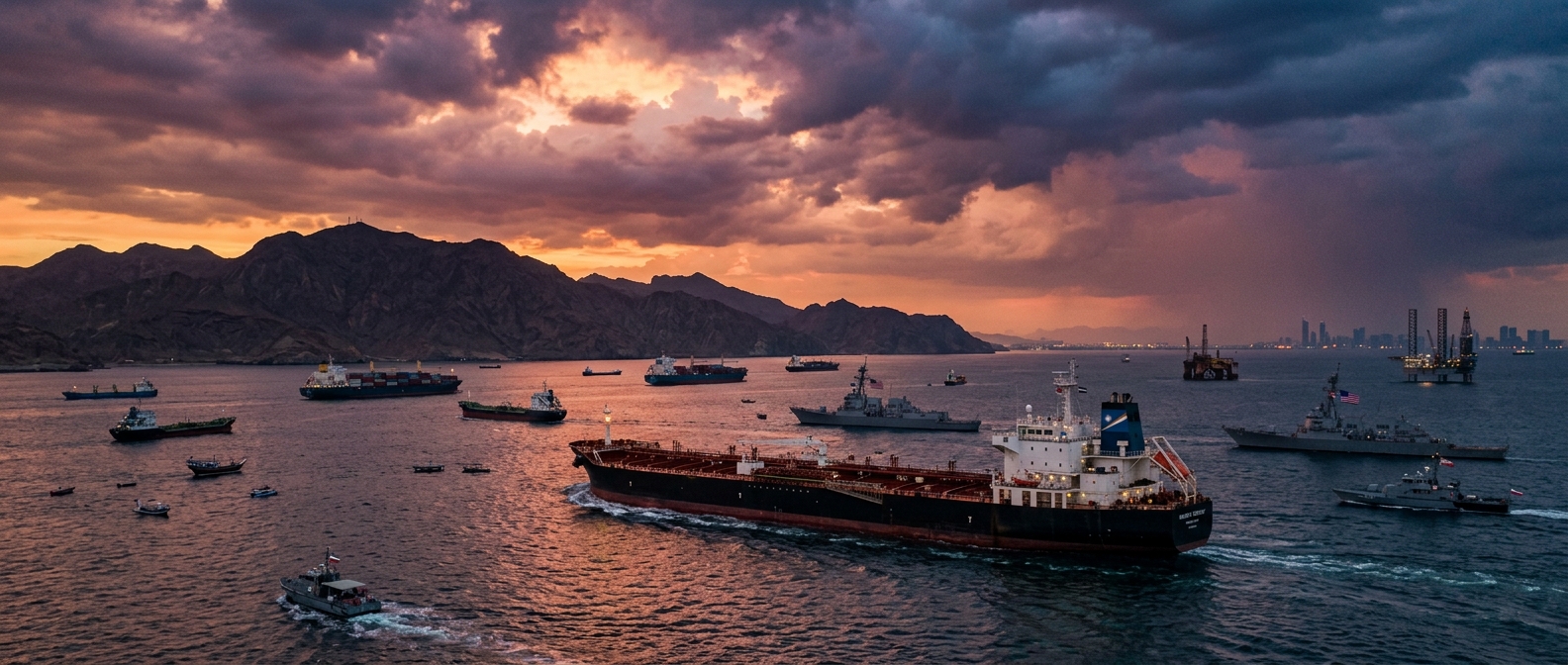
The Middle East’s geopolitical instability significantly influences global oil prices and economic stability due to the region’s strategic importance and vast oil reserves. The Strait of Hormuz, a critical maritime route, transmits about 15% of global oil demand, making any disruptions a pivotal concern. Recent escalations, such as attacks on key infrastructure and ongoing conflicts, have created supply shortages, resulting in oil prices frequently exceeding US$80 per barrel and raising fears of further increases that could surpass US$120 per barrel.
Recent Conflicts and Market Reactions
Historical and ongoing conflicts in the Middle East have repeatedly interrupted oil supply, causing volatility in global oil markets. Notably, the 2019 drone attacks on Saudi Aramco facilities led to substantial price spikes, demonstrating how quickly market perceptions can shift based on geopolitical events. The ongoing Israel-Hamas conflict beginning in October 2023 has continued this trend, contributing to persistent instability and fluctuating oil prices, with market reactions often amplifying the impact of these disruptions.
Transmission of Oil Price Fluctuations to Global Inflation
Oil price shocks from Middle Eastern conflicts have complex connections to global inflation, affecting various economies differently. When oil supply disruptions occur, production costs rise, directly impacting inflation rates, particularly in energy-dependent sectors. Recent analyses suggest that sustained increases in oil prices could lead to a rise of up to 0.8% in inflation forecasts for developed markets, exacerbating existing economic pressures and prompting central banks to navigate difficult monetary policies amid heightened uncertainty.
OPEC’s Role in Market Stability
OPEC and its extended alliance, OPEC+, play critical roles in managing supply dynamics during periods of conflict. While historically focused on stabilizing markets through coordinated production policies, recent regional disruptions have severely constrained their capacity to mitigate the effects of conflicts. The collective efforts to manage oil production and signaling to the market highlight the delicate balance needed to maintain price stability amidst geopolitical tensions, although limited spare capacity poses a challenge in responding effectively to crises.
Future Outlook for Global Oil Markets
The trajectory of oil prices and global inflation is largely contingent on ongoing Middle Eastern conflicts and their impact on supply chains. Current geopolitical dynamics suggest the possibility of prolonged instability, influencing both energy market behaviors and broader economic conditions. As governments respond with policies aimed at managing consumption and inflation, the effective navigation of this crisis will shape the future landscape of global energy security and economic stability, with evolving trends potentially accelerating the transition to alternative energy sources while managing immediate fossil fuel needs.
The content is provided by Harper Eastwood, 9 Minute Read